
Newsletter Subscribe
Enter your email address below and subscribe to our newsletter

Enter your email address below and subscribe to our newsletter
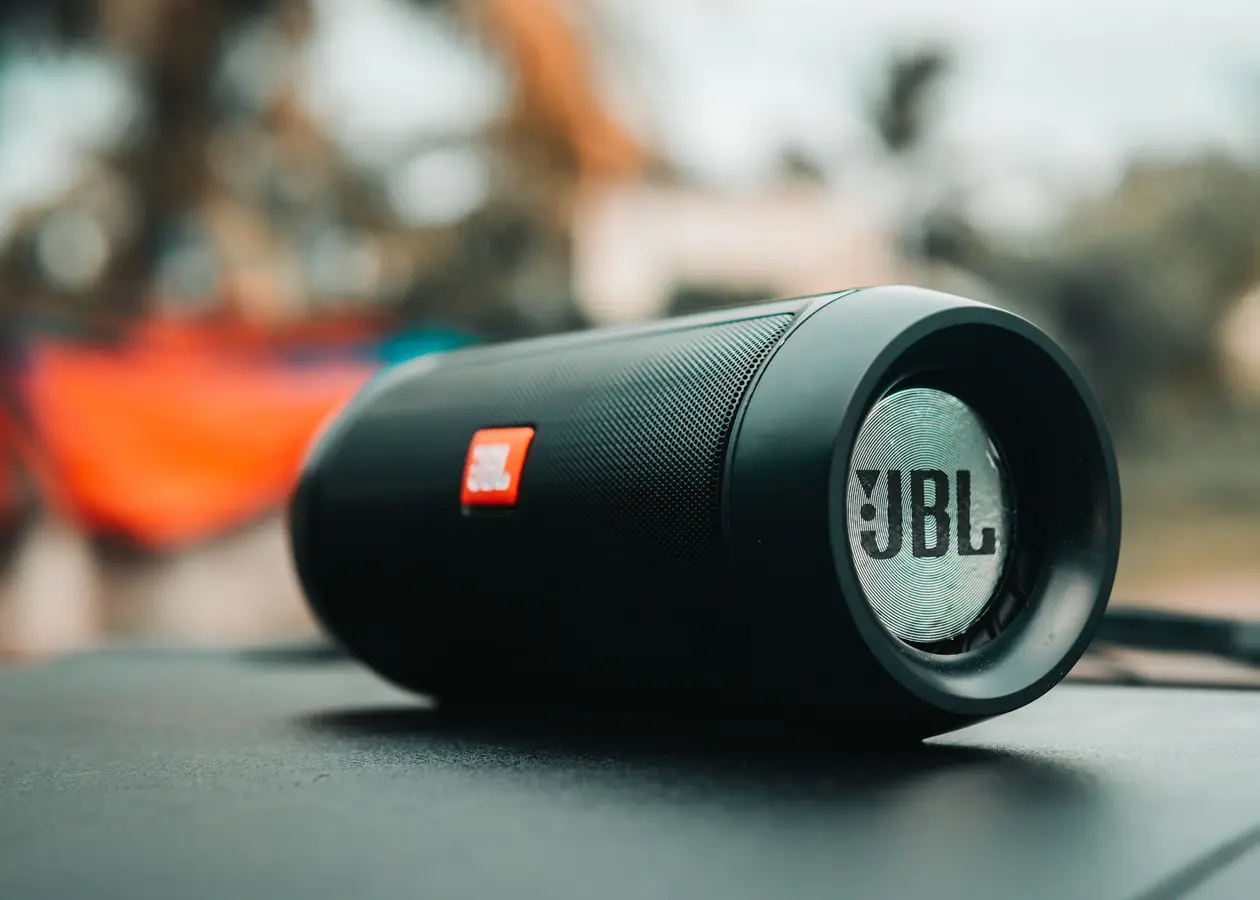
A lot of people buying a portable speaker are trying to solve two problems at once: they want decent music playback, and they want to take the occasional call without grabbing the phone every time. That sounds simple, but with JBL it gets confusing fast. Some speakers clearly support hands-free calling, some only work well for playback, and some older models handle microphone use differently than newer ones.
If you are comparing JBL Bluetooth speakers with mic, the real question is not just whether a microphone exists. It is whether the mic is actually useful for your setup. A speaker that sounds great at a picnic may still be frustrating for work calls. A compact model may be perfect for travel but weak for voice pickup across a room.
This guide narrows the decision down by use case, call quality expectations, portability, and value. The goal is simple: help you buy a JBL speaker that fits how you actually listen and talk.
The easiest way to waste money here is to shop by brand and size alone. JBL makes plenty of strong portable speakers, but the right pick changes a lot depending on how you plan to use it.
If your main goal is music first and occasional speakerphone calls second, you can be more flexible. In that case, battery life, loudness, and durability matter more than perfect voice pickup. A speaker used at home, in the kitchen, or on a patio does not need the same microphone performance as one you plan to use for long calls.
If you want a speaker for casual calls while working from home, things change. You need a model that keeps voices clear at short distance, stays connected reliably, and does not make people on the other end ask you to repeat yourself. For that use, a built-in mic is only the starting point.
For travel, size and charging convenience matter more. A bigger speaker may sound better and sometimes handle hands-free use better too, but that advantage disappears if you leave it at home because it is bulky.
A simple way to narrow it down:
Once you know the main job, the JBL lineup becomes much easier to sort through.
This is where many buyers get tripped up. A product page may mention voice assistant access, pairing, or a speakerphone-style control layout, but that does not always mean the microphone works the way you expect for calls on every device.
When checking listings, look for direct wording such as built-in mic, speakerphone, or hands-free calling. Those terms are more useful than vague feature summaries. If the page only talks about playback, waterproofing, and party features, assume call support is not the focus.
You also need to separate two things that buyers often lump together:
That difference matters even more if you plan to connect the speaker to a laptop. Phones usually handle Bluetooth calling more smoothly. Laptops can be less predictable. Some systems recognize the speaker for output but switch badly when using it as both speaker and mic. That can lower sound quality or cause app-specific issues in Zoom or Teams.
The safest check is a mix of official specs and recent user reviews. Product pages tell you what JBL intended. Reviews tell you what actually happens after firmware updates, operating system changes, and real-world use in noisy rooms.
If microphone use is important, do not buy on assumptions. Confirm that the model supports the exact kind of calling you need.
One reason people struggle with JBL speaker microphone quality is that the best-sounding model for music is not always the best fit for voice use. Portable speakers are built around trade-offs.
A compact speaker can be great for a desk, hotel room, or backpack. It is easy to move around and usually good enough for one-on-one calls if you stay close. But once you place it across the room, the mic can start sounding thin or distant. That is not always a flaw. It is often just the limit of a small body and a simple microphone setup.
Larger JBL speakers usually bring stronger bass, higher volume, and better presence for music. They can also be more forgiving in a larger room because you do not need to sit as close for playback. But bigger size does not guarantee great call clarity. If the microphone tuning is average, the extra speaker output does not magically improve what the other person hears.
Think about your priorities this way:
It also helps to be realistic about environment. Indoors, a JBL speaker with mic can work well enough for casual conversations. Outdoors, wind, traffic, and distance can make even a decent mic sound weak. Buyers sometimes blame the speaker when the real issue is using it in a setting that would challenge almost any portable device.
For mixed use, the sweet spot is usually a mid-size JBL portable speaker with good battery life and proven hands-free call support, not the tiniest option and not necessarily the biggest one either.
People often start with the smallest speaker because it is cheaper and easier to carry. That makes sense until they try using it as a speakerphone from more than a foot or two away.
Very small portable speakers can absolutely handle music, podcasts, and quick calls. The problem is expectation. If you want to drop the speaker on a desk, walk around the room, and sound clear, ultra-compact options may feel limiting. They are best when you are close to them and using them in quieter spaces.
Mid-size JBL speakers tend to be the practical middle ground. You usually get longer battery life, fuller sound, and a bit more flexibility in placement. They also feel less strained at moderate volume, which helps if you are switching between music and calls during the day.
Larger portables are more about coverage. They make sense for patios, garages, outdoor hangouts, or larger rooms where a tiny speaker would disappear. For music, they are obviously more satisfying. For calls, though, they still work best when the person speaking is reasonably near the unit. JBL wireless Bluetooth speakers are not conference-room systems.
Ask these before choosing size:
Most buyers looking for one speaker for both calls and music end up happiest when they stop chasing the smallest footprint and choose something one step larger than their first instinct.
When buyers compare JBL Bluetooth speakers with mic, they often lock onto price and sound first. That is normal, but some of the most annoying ownership problems show up elsewhere.
Battery life matters because microphone use and Bluetooth calling can expose weak endurance faster than simple background listening. A speaker that looks fine on paper may not feel convenient if it needs topping up too often. If you want it for travel, outdoor days, or a work desk, longer playback time makes a real difference.
Water resistance matters too, especially with JBL. Many of the brand’s strongest portable options are built for pools, parks, and kitchens. That is useful even if you are not planning to toss the speaker near water. A better IP rating usually means more flexibility and less worry during everyday use. Just remember that a waterproof portable Bluetooth shell does not improve call quality outdoors. Wind and crowd noise still interfere with mic pickup.
Bluetooth stability is another overlooked factor. Good sound means little if pairing is annoying or if the connection stumbles when you switch between phone and laptop. If you use multiple devices, look at Bluetooth version, multipoint behavior if offered, and review feedback about reconnection speed.
Before buying, check:
These details do not feel exciting on a spec sheet, but they often decide whether a speaker is easy to live with after the first week.
This is where expectations need a reality check. A JBL speaker with mic can work nicely for calls from a phone. For laptop meetings, it can also work, but not always as cleanly as people hope.
Phones are usually the easiest match. Pairing is straightforward, calls route correctly, and hands-free use tends to behave the way buyers expect. If your plan is mostly mobile calls, you have a better chance of being satisfied.
Laptops are different. Some recognize the speaker as both playback and input device right away. Others need manual selection inside the operating system or inside the meeting app itself. Even when everything connects, Bluetooth headsets and speakers sometimes switch into lower-bandwidth call mode when the microphone is active. That can reduce audio quality compared with music playback.
That does not make JBL speakers a bad choice for Zoom or Teams. It just means they are better for casual meetings, quick check-ins, or flexible setups than for polished professional audio. If your job depends on being heard clearly for hours every day, a dedicated speakerphone or headset is usually the smarter tool.
To avoid frustration:
For music plus occasional work calls, JBL can be a solid compromise. For all-day conference use, it is more of a workaround than an ideal solution.
If you are shopping right now, the best JBL choice usually depends on how strict your microphone expectations are.
If you mainly want a portable speaker for music and just need the mic for occasional calls, a well-reviewed mid-range JBL model is typically the best value. This part of the lineup usually gives you the best balance of portability, sound quality, battery life, and durability. It is also where most buyers avoid the extremes of tiny sound or unnecessary bulk.
If calls are a major part of the purchase, be more selective. Do not assume every current JBL portable is equally good for hands-free calling. Focus on models whose listings clearly mention speakerphone support and then cross-check that with fresh customer feedback. Recent reviews matter because firmware and phone compatibility can shift over time.
If your budget is tight, older JBL models can still be worth a look when discounted, especially if they have a known record for speakerphone use. That said, check compatibility and battery aging concerns before buying older stock.
If you mostly care about outdoor volume, ruggedness, and party use, choose based on sound and durability first, and treat the microphone as a bonus. Outdoor conditions are hard on any built-in mic, so paying more purely for call hopes may not be worth it.
In practical terms:
That is really the key buying filter. The right speaker is the one that matches your actual mix of listening, calling, and carrying around. Some shoppers also compare Bose Bluetooth speakers before deciding which brand fits their priorities better.
No. Some JBL speakers support hands-free calling or voice input, while others are mainly built for audio playback.
They can be, especially for casual indoor calls. Results depend on the model, your distance from the speaker, and background noise.
Yes, in some cases, but it works best for casual meetings. Laptop behavior and app settings can affect both sound and microphone performance.
It depends on why you are buying it. For music-first use, sound quality wins. For regular calls, microphone clarity matters just as much.
It can be usable, but wind and ambient noise often reduce mic clarity outside, even on rugged models.