
Newsletter Subscribe
Enter your email address below and subscribe to our newsletter

Enter your email address below and subscribe to our newsletter
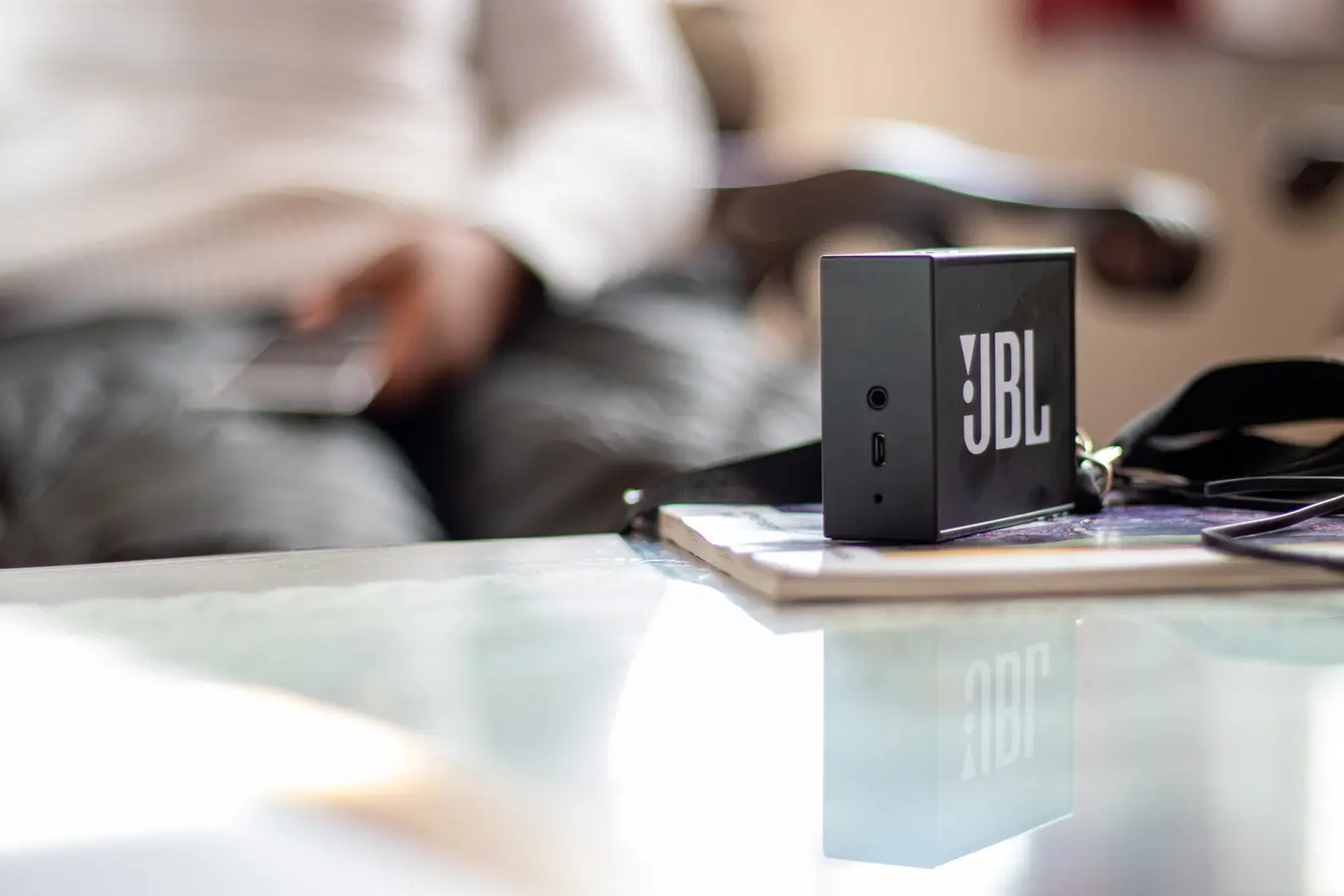
It is easy to get stuck when shopping for JBL wireless Bluetooth speakers. The names are similar, the size differences look small in photos, and every model seems to promise portable sound, solid battery life, and some level of water protection. Then you realize your actual needs are not all the same. A speaker for a desk is not the same as one for the beach, and a speaker that sounds good at low volume may fall apart once you bring it outside.
That is where most buying mistakes happen. People either buy too small and end up disappointed by thin sound, or they buy too big and stop taking the speaker anywhere. The smarter move is to compare JBL models by use case first, then by sound, battery, durability, and extras like pairing or app controls. If you want to narrow the field quickly, this guide breaks down what matters and where different JBL speaker sizes make the most sense.
JBL has done a good job building clear product families, but that does not always make shopping easier. A lot of buyers see several small or mid-size speakers that look related, have similar color options, and all claim portable Bluetooth convenience. On a retailer page, that can blur together fast.
The confusion usually comes from four things: size, battery claims, waterproof ratings, and feature overlap. Two models may both be portable and rugged, but one is meant for casual personal listening while the other is built to fill a patio. That difference matters more than small spec changes.
If you are comparing JBL speakers, start with these filters before looking at design or price:
That sounds basic, but it solves most of the decision problem. A lot of regret comes from buying based on brand familiarity alone. JBL is strong across the category, but the right JBL speaker for a kitchen counter is often the wrong one for a campsite or weekend gathering.
With JBL speakers, size is still one of the clearest shortcuts to expected performance. Bigger models are usually louder, fuller, and better at bass. Smaller ones are easier to carry, easier to store, and more realistic for daily use. That tradeoff never fully goes away.
A compact JBL speaker is often enough if you mostly listen at a desk, in a bedroom, in a hotel room, or while moving around. You get simple Bluetooth audio, decent portability, and less bulk. For solo listening or a small indoor space, that can be the right answer. The mistake is expecting compact speakers to sound large outdoors. In open air, sound thins out quickly, and bass feels weaker.
Mid-size speakers are often the safest buy for people who want one speaker to do a bit of everything. They are easier to carry than party-style models but have enough output for a backyard hangout, kitchen, or living room. This is where many buyers should probably start.
Larger JBL speakers make more sense when volume and low-end matter. If you host, listen outside often, or simply want fuller bass without pushing the speaker too hard, the extra size helps. They also tend to sound more relaxed at higher volume because they are not straining as much.
Do not overfocus on wattage by itself. Listening impressions, enclosure size, and driver layout tell you more in practice. If you want room-filling sound, buy enough speaker. If you want something you will actually carry every day, stay smaller.
Battery life is one of the easiest specs to misread. JBL, like most brands, lists estimated playtime under certain conditions. Real-world results depend heavily on volume, bass output, lighting features if included, and how often you reconnect devices. A speaker that seems perfect on paper can feel annoying fast if it constantly needs topping up.
Think about your longest normal use, not your ideal one. If you need music through a workday, a beach afternoon, or an outdoor get-together, battery headroom matters. If you mostly listen in short bursts at home, battery life is less important than charging convenience.
A few practical checks help:
This matters most with travel-friendly models. Small speakers are great until they die halfway through the day because you were using them outdoors at higher volume. On the other hand, if a speaker lives in your kitchen or office and charges regularly, chasing the biggest battery spec may be unnecessary.
For many buyers, the best JBL speaker is not the one with the longest claimed battery life. It is the one whose battery fits your routine without becoming something you have to manage.
Plenty of JBL portable speakers are built for rougher use, but not all protection is equal. Shoppers often see words like waterproof, splashproof, or rugged and assume the whole range can handle the same abuse. That is where disappointment starts.
If your speaker is going near a pool, beach, boat, or campsite, check the actual IP rating. That rating tells you much more than marketing language. Some models are fine with splashes. Others are built for more serious water exposure and may add dust protection too. Those are very different situations.
Think in terms of environment:
Durability is not just about water. A speaker that gets tossed in a bag, used around sand, or carried outside regularly needs solid construction, grippy materials, and controls that are easy to use when wet or dusty. Hands-on reviews are useful here because they show things spec sheets miss, like whether the speaker feels sturdy or whether port covers look like a weak point.
If outdoor use is your main reason for buying, durability should be near the top of your list, not treated like a bonus feature. A speaker that sounds great but makes you worry every time it gets near water is the wrong outdoor speaker.
Use case is where the decision usually gets clear. Many people compare too many models because they are shopping by brand page instead of by actual routine.
For travel and everyday carry, lighter compact JBL speakers make the most sense. You want something easy to throw into a bag, simple to charge, and sturdy enough for casual outdoor use. Expect decent sound, not miracle bass.
For desk audio or a small room, focus less on maximum loudness and more on balanced sound at moderate volume. A mid-compact speaker often works better than a very small one because it sounds fuller without taking over the space.
For poolside and backyard listening, durability and projection matter. Open spaces eat volume, so a speaker that feels loud indoors may sound underpowered outside. This is where many shoppers should move up one size from their first instinct.
For small gatherings, a mid-size or larger JBL model is usually the safer pick. You need enough output so the speaker does not sit at maximum volume the whole time. Bass also tends to feel more satisfying when there is more cabinet and driver area behind it.
For home use with occasional portability, the sweet spot is often a speaker that is portable in theory but not ultra-small. That gives you better sound for everyday listening while still letting you move it from room to patio or bring it on a trip when needed.
Buy for the setting that matters most, not the setting that sounds coolest in your head. Most people do not need a party speaker for daily listening, and plenty do not need an ultra-compact speaker if it will mostly stay at home.
Once you narrow down size and use case, the smaller features start to matter. This is where two JBL speakers that seem similar can separate pretty quickly.
Speaker pairing is a good example. Some JBL models can pair with compatible speakers for stereo sound or wider coverage, but compatibility is not universal across every product line. If you think you may add a second speaker later, confirm that before buying. Do not assume all JBL speakers work together the same way.
Bluetooth stability and range are also easy to overlook. Most modern speakers are fine at close range, but if you move around a yard, leave your phone on a table, or switch devices often, connection reliability matters more than a flashy design detail.
Built-in microphone support may matter if you plan to take calls or use the speaker in a work-from-home setup. Not every buyer needs that. But if you do, it is frustrating to discover after the fact that the feature is missing or limited.
App-based controls can be genuinely useful on some models. EQ settings, updates, and pairing controls may help you get more from the speaker, especially if you are picky about bass or treble balance. If you prefer a plug-and-play device, this may not matter at all.
This is also the point where retailer filters and official comparison pages help. They are not perfect, but they make it easier to sort by battery, waterproofing, dimensions, and connectivity. Then use owner reviews and video comparisons to check whether the real-world experience matches the spec sheet.
If you are bouncing between several JBL wireless Bluetooth speakers, set a budget early. It prevents the common spiral where every model starts to look almost right, so you keep creeping upward in price. JBL has enough range that a budget instantly cuts through half the noise.
After that, compare in this order:
It is also worth considering older JBL models if the price is meaningfully lower and the feature set still fits. A slightly older speaker can be the better value if you do not need the latest software features or design changes.
Before buying, spend ten minutes with a few outside sources. Official JBL pages are useful for dimensions, battery claims, and waterproof ratings. Retailer filters help with shortlist building. Hands-on video reviews are especially helpful for judging size in the real world and hearing how a speaker behaves at higher volume. User reviews help uncover recurring issues like pairing quirks, charging frustration, or durability problems over time.
That combination is usually enough to avoid the classic mistakes: too small, too weak outdoors, too heavy to travel with, or too expensive for the actual use case. If call quality matters too, it can help to compare JBL Bluetooth speakers with mic before you decide. Buyers also weighing other premium brands may want to look at Bose Bluetooth speakers for a broader comparison.
A compact waterproof JBL model works well for travel or casual backyard use, but for open outdoor spaces you will usually want to step up to a mid-size speaker for better loudness and fuller sound.
Yes, many JBL speakers lean bass-forward, especially compared with smaller portable speakers from some competitors. Larger JBL models usually deliver deeper and more convincing low end.
No. Some JBL speakers are waterproof, some are only splash resistant, and protection levels vary by model. Check the exact IP rating before you buy.
Not always. Bigger speakers are usually louder and bassier, but they are also heavier and less convenient to carry. The best choice depends on where you will use it most.
Some can, but not every JBL speaker line supports the same pairing features. Always check model compatibility if stereo pairing or multi-speaker use matters to you.
It depends on the model and your volume level. Larger speakers often last longer, but high volume and heavy bass use can reduce runtime quite a bit.