


Newsletter Subscribe
Enter your email address below and subscribe to our newsletter

Enter your email address below and subscribe to our newsletter
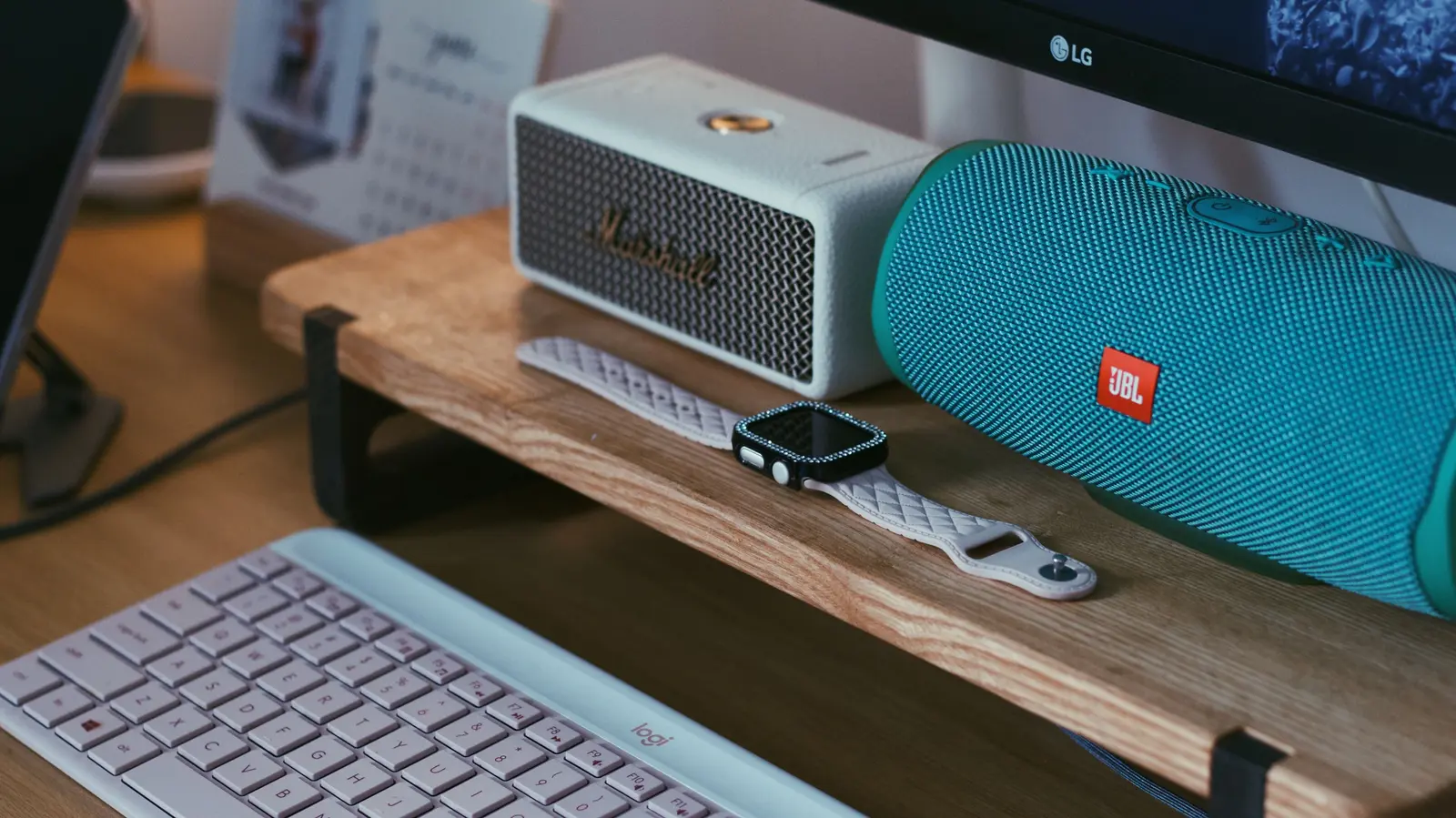
You can narrow your speaker search down to JBL or Bose and still feel stuck. On paper, both brands offer portable Bluetooth speakers, decent battery claims, app support, and models spread across small, medium, and premium price tiers. Then you start reading reviews and the answers get messy fast. One person says JBL has more energy and better bass. Another says Bose sounds cleaner and more refined. Both can be true.
The real issue is that most buyers are not choosing between logos. They are choosing between different sound tuning, different priorities, and different kinds of use. A speaker for a patio hangout is not judged the same way as one for a bedroom shelf or hotel travel. This comparison keeps it practical. Instead of asking which brand is universally better, it looks at where JBL usually wins, where Bose earns its higher price, and how to make a fair choice without getting distracted by marketing language.
If you are comparing JBL vs Bose sound quality, the biggest difference is usually tuning. JBL tends to lean more energetic. You often get punchier bass, a more forward presentation, and a sound that feels lively right away. That makes a strong first impression, especially with pop, hip-hop, EDM, and anything you want to feel a bit more.
Bose usually aims for a smoother, more balanced presentation. Vocals often come through cleaner. Midrange detail tends to feel more polished. At lower volume, Bose Bluetooth speakers can sound more complete, while some bass-heavy speakers lose a bit of life when played quietly. If most of your listening happens in the evening, in a kitchen, office, or living room, that matters.
Neither approach is automatically better. A common mistake is testing a speaker for 30 seconds in a noisy store and assuming the louder or bassier one is the better one. Short demos often favor JBL because bass and energy stand out fast. Longer listening can favor Bose if you are sensitive to harsh treble or you care about vocal clarity.
Ask yourself a blunt question: do you want excitement or smoothness?
If you can, compare similar-sized models at the same volume with the same songs. Size affects bass more than brand loyalty does.
A lot of bad buying advice comes from comparing the wrong products. Someone might hold up a midrange JBL against a premium Bose and call Bose overpriced, or compare a compact Bose speaker to a larger JBL and say JBL crushes it on bass. That is not a fair test. Speaker size, driver layout, and intended use matter more than brand mythology.
The cleaner way to judge jbl bluetooth speakers vs bose is by price tier and form factor. Compare small travel speakers against small travel speakers. Compare rugged outdoor models against rugged outdoor models. Compare premium home-friendly portables against premium home-friendly portables. Once you do that, the tradeoffs become clearer.
JBL often gives you more apparent output and bass for the money. Bose often uses its budget on tuning, design quality, and a more refined overall feel. That can make Bose seem underpowered on a spec sheet, even when it sounds better in the kind of room it was built for.
It also helps to watch pricing over time. Bose discounts can change the value equation quickly. A Bose speaker that feels expensive at full retail may become much easier to recommend when it drops closer to a comparable JBL model. JBL also goes on sale often, but its value advantage is usually strong even before discounts.
If you care about getting the most features and volume per dollar, JBL usually has the edge. If you are willing to pay extra for tuning and finish, Bose starts making more sense.
Portable speakers are not judged only by sound. Weight, shape, charging, and durability affect how often you actually use them. This is where JBL often has a practical advantage.
Across its lineup, JBL tends to offer more travel-friendly variety. You will find plenty of compact speakers with clips, straps, or easy-to-pack shapes, along with larger models built to move from room to yard to beach without much worry. JBL also has a strong reputation for ruggedness and water resistance, with many models aimed directly at outdoor use.
Bose portable speakers usually look and feel more premium, but they are not always the obvious choice for rough use. Many are easy to carry, but Bose often prioritizes design and indoor-outdoor flexibility over the kind of rugged, toss-it-in-a-bag attitude JBL is known for.
Battery life is similar in one sense and very different in another: both brands can publish respectable numbers, but real-world runtime depends heavily on volume. JBL models built for louder playback can drain faster when pushed hard, though many still hold up well. Bose can feel more consistent for moderate everyday use because the tuning does not always encourage max-volume listening.
Before buying, check a few practical things beyond the quoted hours:
If your speaker will live outdoors, travel often, or spend time near water, waterproof portable Bluetooth models are usually the safer bet.
When the speaker is mostly for a bedroom, kitchen, office, or living room, the decision changes. You are less likely to need maximum loudness or extreme waterproofing. You start noticing tonal balance, how voices sound, whether the speaker blends into the room, and whether it still sounds good at modest volume.
This is where Bose often earns its reputation. Bose speakers tend to present music in a way that feels polished without demanding attention. Podcasts, acoustic music, jazz, singer-songwriter tracks, and general background listening usually benefit from that smoother midrange-first approach. If you listen for long stretches, Bose can be easier to live with.
That does not mean JBL is bad indoors. In fact, many JBL speakers are excellent if you want a lively sound in a kitchen or a larger room where some extra low-end helps. The issue is that stronger bass and a more aggressive tuning can sometimes feel less balanced in smaller spaces, especially at close range.
Another factor is aesthetics. Bose often wins on subtle design. If you care whether the speaker looks at home on a shelf, side table, or desk, Bose may fit your space better. JBL generally looks sportier and more casual, which some people prefer and others do not.
If your speaker is replacing a little home audio system more than a party speaker, Bose deserves a harder look than the raw specs might suggest.
Once you move into backyard gatherings, park hangouts, garage workouts, or anything with background noise and multiple people, JBL usually becomes the more obvious answer. This is not just about bass. It is about how the speaker projects energy.
JBL often sounds bigger and more immediate at the kinds of volumes people use in social settings. Bass punch helps music feel alive outdoors, where low frequencies can disappear more easily than they do inside. A speaker with a balanced tuning can sound excellent in a quiet room and still feel a bit restrained once people start talking over it.
JBL also tends to offer more models designed around this use case, from ultra-portables that can survive rough handling to larger Bluetooth speakers aimed at room-filling or yard-filling sound. If your main concern is, “Will this be loud enough and fun enough for a group?” JBL wireless Bluetooth speakers usually answer that question more clearly.
Bose can still work well for small gatherings, especially if the setting is more relaxed than rowdy. But if your expectations include stronger bass impact and a speaker that holds its character when pushed, JBL usually feels more confident.
This is where buyers sometimes overpay for Bose. They want a social speaker, but they are paying for refinement they will not really notice in a noisy environment. For parties, output, durability, and bass matter more than subtle tonal polish.
Many shoppers focus on sound first, then battery, then price. That is sensible. But convenience features can make two otherwise similar speakers feel very different after a few months of ownership.
Check how each brand handles pairing, stereo mode, and app control on the specific models you are considering. JBL often does well with simple, accessible controls and party-friendly ecosystem features. If you like the idea of linking speakers or using a speaker in casual, low-friction ways, JBL usually makes that easy.
Bose often leans more toward a polished user experience, with apps and controls that fit its premium positioning. Depending on model, you may also see stronger integration around voice assistant features or smart-home-adjacent use. That can be valuable if the speaker is part of your everyday home setup rather than a grab-and-go device.
Still, this is an area where model-specific research matters a lot. App quality changes over time. Pairing features are not identical across lineups. Some buyers assume every Bose speaker has the same smart features or every JBL speaker supports the same party pairing system. That is not how it works.
Use specs and hands-on reviews to confirm the basics:
These details will not save a speaker with the wrong sound, but they can break a tie.
On pure value for money, JBL often wins. If your definition of value is louder sound, stronger bass, rugged design, and a lower cost for similar portability, JBL is hard to beat. That is why it is such a common recommendation for students, travelers, casual buyers, and anyone who wants a speaker that feels fun right away.
Bose offers a different kind of value. You are usually paying more for refinement, tuning, design restraint, and a product that feels a bit more premium in daily use. That premium does not always show up clearly in spec tables. It shows up when you listen at lower volume, care about vocal clarity, want something that suits a home environment, or simply dislike overly boosted bass.
So is Bose worth the higher price? Sometimes, yes. But only if those strengths are relevant to how you actually listen. If the feature gap is small and the price gap is wide, JBL is usually the better buy. If a Bose speaker goes on sale and lands near a comparable JBL, the decision gets more interesting.
The easiest way to decide is to match the brand to your main use case:
Most people do not need the best speaker overall. They need the right speaker for where they will use it most.
JBL is usually better for bass. Its speakers often have more punch and impact, which works especially well outdoors and in party settings.
Often, yes. Bose usually sounds more balanced and polished, especially through vocals and the midrange.
JBL is usually the stronger pick for outdoor use because many models are more rugged and have better water resistance.
It can be, if you care about refined tuning, premium design, and a smoother everyday listening experience.
Choose JBL if you want energy, bass, and stronger value. Choose Bose if you want a calmer, more balanced sound for regular home use.