


Newsletter Subscribe
Enter your email address below and subscribe to our newsletter

Enter your email address below and subscribe to our newsletter
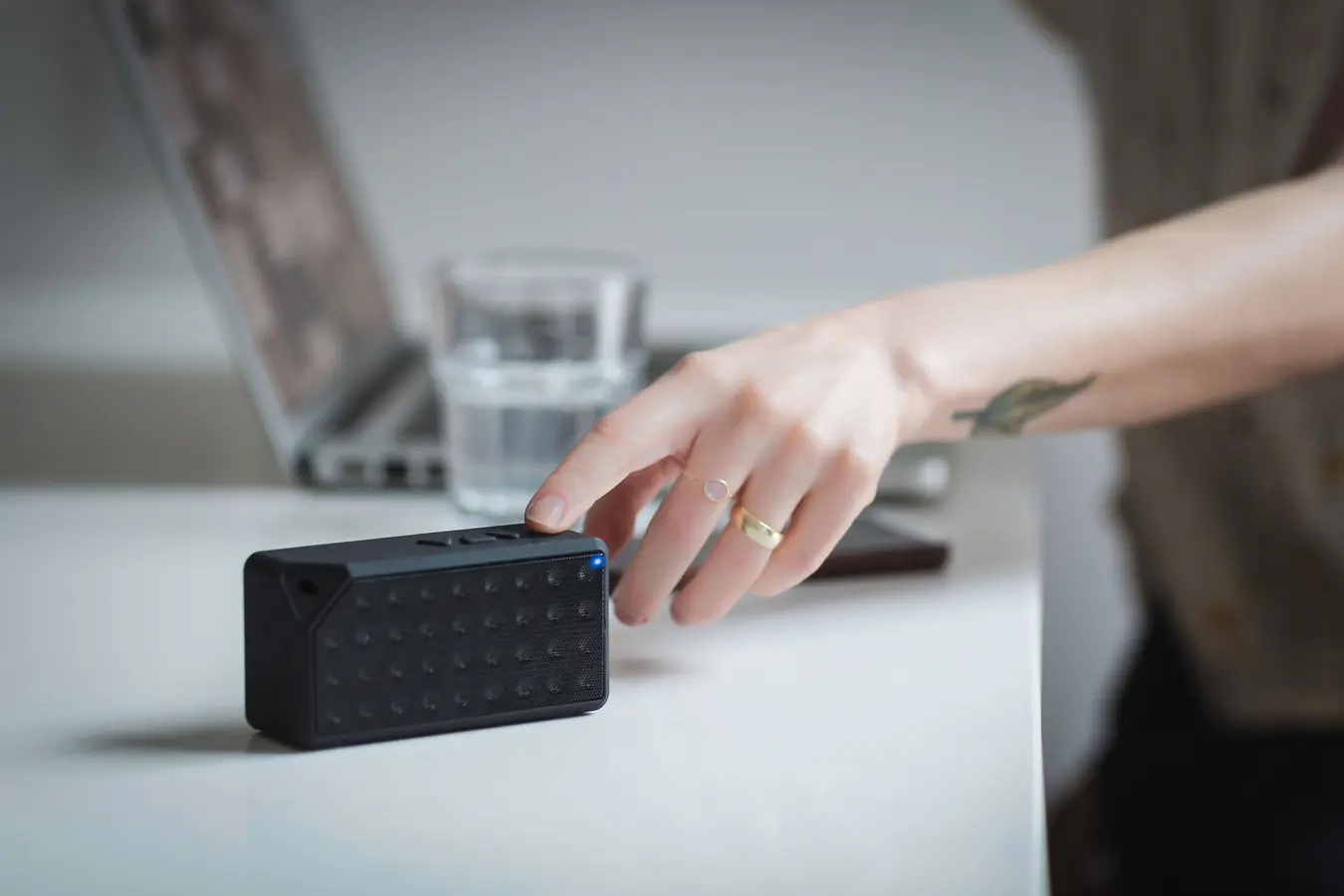
Plenty of people shopping for a portable speaker end up in the same spot: Bose looks appealing, but the lineup can feel oddly hard to sort out. Two models may seem close in size, price, and design, yet one makes more sense for travel while another is better for patios, kitchens, or small parties.
That is usually where the hesitation starts. Bose has a strong reputation for easy setup, clean sound, and solid build quality, but it also tends to cost more than many alternatives. So the real question is not whether Bose makes good speakers. It is whether the Bose model you are considering actually fits how you listen.
This guide breaks that down in a practical way. If you are comparing speakers bluetooth bose options against each other or against rivals like JBL wireless Bluetooth speakers, the useful differences come down to sound size, portability, battery life, weather protection, and whether you will use the extra features at all.
Bose usually lands on shortlists for one reason: it removes a lot of friction. Pairing is typically simple, controls are straightforward, and the tuning tends to be broadly pleasant right away. You do not have to spend much time fixing harsh treble or trying to wake up weak vocals.
That matters more than spec sheets suggest. A lot of buyers are not chasing the loudest speaker in the store. They want something that sounds clean in a bedroom, works in the kitchen, survives a weekend trip, and does not become annoying after a month. Bose is often good at that middle ground.
The brand also tends to do well at low and moderate volume. If you listen while working, cooking, or relaxing at night, that can be a real advantage. Some cheaper speakers only come alive when pushed harder, while Bose models often keep speech, vocals, and acoustic detail clear even when played quietly.
Where people hesitate is value. Bose speakers are rarely bargain picks, and rivals sometimes offer more obvious bass, longer claimed battery life, or louder output for less money. That does not automatically make Bose overpriced. It just means you should be clear about what you are paying for: dependable sound, refined tuning, decent durability, and an easier overall experience rather than a pure specs win.
The most common bad purchase is choosing a speaker by brand name or review score without thinking about where it will spend most of its time. That is how people end up with a compact speaker that sounds too small outdoors, or a larger one that rarely leaves the house because it is awkward to carry.
If your speaker will mostly travel in a backpack, weight and shape matter almost as much as audio quality. A smaller Bose model makes more sense here. It is easier to pack, easier to charge on the go, and less likely to become dead weight on a trip. You will give up some fullness and low-end weight, but that tradeoff is usually worth it for frequent travel.
Home listening is different. In a bedroom, office, or kitchen, a slightly larger speaker can sound much more relaxed. You get fuller bass, more room-filling sound, and less strain when turning the volume up. For people who mostly move the speaker from room to room rather than take it outdoors all day, this is usually the smarter buy.
Outdoor use changes the equation again. Open spaces eat bass and make small speakers sound thinner than they do indoors. If you want music on a patio, at the beach, or during a picnic with a few people, output and durability matter fast. In those situations, the smallest Bose options may still sound good up close, but they can feel underpowered once the space opens up.
Before comparing features, decide which of these descriptions sounds most like your real life. That alone narrows the right Bose Bluetooth speaker faster than most comparison charts.
When people search for a Bose Bluetooth speaker comparison, they often expect huge differences between models. In practice, the differences are usually subtle on paper and more obvious in daily use.
The cheaper or smaller speaker is normally about convenience first. It is made to be grabbed quickly, packed easily, and used without much thought. That buyer values portability, simple Bluetooth pairing, and enough sound for personal listening or a small room. Spending more only makes sense if the compact model feels too limited in volume, battery, or bass.
Move up the range and the extra money usually buys one or more of these:
The mistake is assuming the higher-priced option is automatically the better value. If you mainly stream podcasts in the kitchen and music in a small office, a larger Bose speaker may be unnecessary. On the other hand, if you already know you will use it outdoors, share it with friends, or want one speaker for both home and travel, paying more once can be cheaper than replacing an underpowered model later.
That is the useful test: does the pricier speaker solve a problem you will actually have, or does it just look safer because it sits higher in the lineup?
Bose sound is usually easy to live with. It leans toward clean, balanced listening rather than exaggerated boom. Vocals are often clear, spoken audio comes through well, and many listeners find the tuning less fatiguing over long sessions than bass-heavy alternatives.
That makes Bose a strong fit for mixed use. If your playlists jump from pop to podcasts to softer acoustic tracks, the sound often feels predictable in a good way. Many Bose speakers also stay composed at lower volume, which is something buyers often overlook until they start using a speaker every day at home.
Rivals push back in a few areas. Some competing speakers sound more energetic right away, especially in stores or quick demos. Heavier bass can make them seem more impressive at first listen. Others offer more raw loudness per dollar, which matters if you care less about refinement and more about filling outdoor space.
For home use, Bose is often a safe pick if you want balanced sound without tweaking. For outdoor use, the question is less about tone and more about scale. Even a well-tuned speaker can feel thin in a park or backyard if the cabinet is too small. Bigger Bose speakers usually perform better outside simply because they move more air and keep clarity better when volume rises.
If possible, do not judge by one metric like bass alone. Think about your actual listening habits. People who want a speaker for long, everyday use often appreciate Bose more after living with it than during a five-minute store demo.
Battery claims are useful, but they are never the whole story. A speaker rated for a long day of playback may only reach that figure at moderate volume with limited feature use. Push it harder outdoors and the number drops. That is true across brands, including Bose.
So instead of chasing the highest advertised figure, match the battery to your longest normal outing. If your speaker mostly moves around the house or handles short trips, extreme battery life may not matter much. If you bring it to parks, day trips, or weekend travel, it matters a lot more than a slight difference in sound character.
Portability has the same tradeoff. Small Bose speakers are easier to carry, simpler to stash in a bag, and generally better for travel. They are also the models people are most likely to use frequently because they are convenient. A larger speaker can sound much better, but if it feels bulky or awkward, it may stay home more often than you expected.
Pay attention to charging too. Check the cable type, charging speed, and whether the speaker fits easily into your current travel setup. Small details become annoying fast when you are carrying extra gear.
A practical way to decide:
That sounds obvious, but it prevents a lot of disappointing purchases.
Extra features are where shoppers often overbuy. Stereo pairing, app settings, voice prompts, and stronger water resistance all sound useful, but not all of them will matter to you.
Start with durability. If the speaker may see poolside use, beach trips, camping, or sudden rain, waterproof portable Bluetooth models are worth checking carefully. Some Bose speakers are much better suited to outdoor use than others. A model that works perfectly indoors is not automatically the right fit for rougher environments.
Next is pairing. If you like the idea of expanding later with a second speaker, look into whether the model supports speaker pairing or stereo mode and how reliable that setup is in real use. This can be valuable for larger rooms or social settings, but it is pointless if you know you will only ever use one speaker at a time.
App support is a smaller factor than many people think. It is helpful for updates, some controls, and setup options, but it should not be the reason you choose a speaker. Sound, size, and battery will affect your day-to-day experience much more.
Bluetooth range is worth a quick check too. If you move around the house with your phone, or leave it on a table while walking outside, stable connection matters. Customer reviews are often more useful here than product pages because they reveal whether a speaker behaves well in real rooms with walls, interference, and distance.
In short, pay for ruggedness if you need it, pairing if you will use it, and app extras only if they genuinely improve convenience. Otherwise you are mostly buying feature insurance.
Bose is usually worth buying when you want a speaker that feels polished rather than flashy. That means reliable Bluetooth, balanced sound, solid materials, and a design you will not fight with. For plenty of buyers, especially those using a speaker daily at home or on casual trips, that is enough to justify the premium.
It is also a strong fit if you care about low-volume listening. Not everyone wants a speaker that only sounds exciting when turned up. If you play music in the background, listen to podcasts, or want something that stays clear late at night, Bose often does this well.
Another good reason to choose Bose: you want fewer surprises. Product pages, retailer filters, and customer reviews usually make it fairly easy to compare size, battery claims, and protection ratings. Once you narrow your use case, the lineup becomes less confusing.
But Bose is not always the best buy. Another brand may suit you better if your budget is tight and you are chasing maximum loudness, deepest bass, or the most features for the price. It may also make more sense if you mostly need a rugged outdoor speaker where brute output matters more than refinement. In some cases, a Mivi Bluetooth speaker under 500 may be the more sensible budget-first option.
If you are deciding quickly, this is a fair rule:
That is really the buying decision in plain terms. Bose rarely wins every category, but it often wins the ownership experience.
They often are if you want reliable sound, solid build quality, and simple setup rather than the most aggressive specs for the money.
A smaller model is usually better for travel because it is lighter, easier to pack, and more convenient to charge on the go.
Yes. Many Bose speakers keep vocals, podcasts, and finer detail clear even when you are listening quietly.
Some can very well, but it depends on the model. Check the water and dust resistance rating before buying for beach, patio, or poolside use.
Focus on sound size, battery life, portability, durability, and whether features like pairing or app control will actually matter to you.
No. It is only better if the added sound, battery, or durability matches how you plan to use it.