

Newsletter Subscribe
Enter your email address below and subscribe to our newsletter

Enter your email address below and subscribe to our newsletter
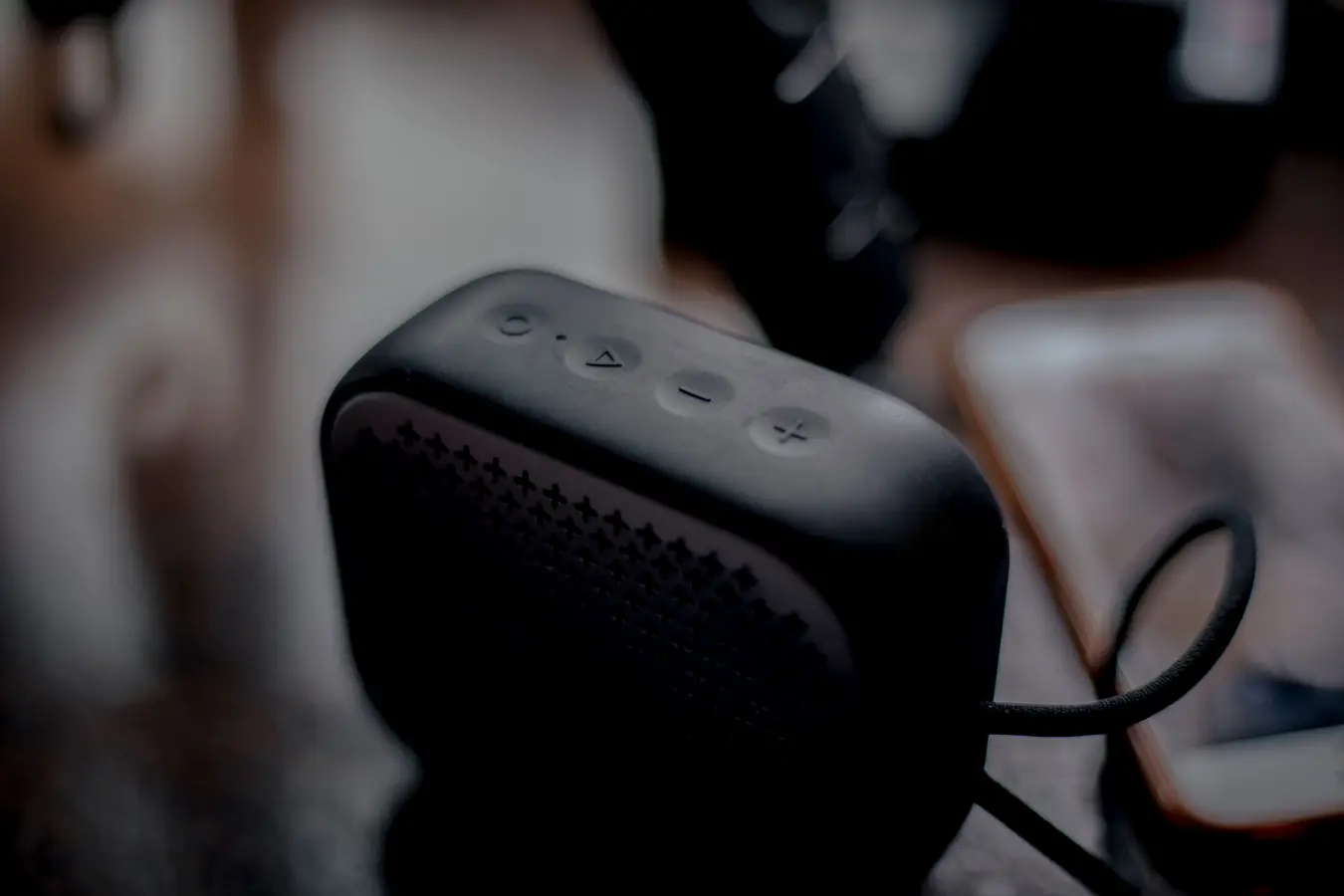
You do not notice how exposed a portable speaker really is until you bring it outside. A quick rain shower, wet hands at the pool, sand at the beach, or a cooler that leaks in the car can ruin a speaker that looked fine on paper. That is why shopping for bluetooth portable speakers waterproof enough for real outdoor use is less about flashy marketing and more about getting the basics right.
The problem is that the specs can be misleading. One model may be called water-resistant but only handle light splashes. Another may survive full dunking yet sound thin once you get away from walls and into an open yard or campsite. Battery claims are often optimistic too.
This guide focuses on what actually matters before you buy: waterproof ratings, outdoor sound, battery life, durability, and the tradeoffs between small travel speakers and larger portable options. If you want a speaker that can leave the house without constant babysitting, start here.
The fastest way to narrow the field is to ignore vague terms like water-resistant and check the IP rating. This tells you more than the product name ever will.
If you plan to use a speaker near a pool, on a boat, at the beach, or during unpredictable weather, IPX7 or IP67 is the safer range to target. IPX7 means the speaker can handle temporary immersion in water. IP67 adds dust protection too, which matters more than many people expect once sand, dirt, and grit get involved.
IPX4 is a different category. It is usually fine for kitchen use, a light shower setup, or mild splashes on a patio. It is not the rating you want if there is a real chance the speaker gets dropped in water.
A few practical details get missed all the time:
For most buyers, full waterproofing is worth paying for because outdoor accidents are boringly predictable. You set the speaker down by the pool. Someone splashes. It starts raining. A drink spills. That is normal use, not an edge case.
A speaker that sounds decent in a bedroom can fall apart outside. Indoors, walls help reflect sound and fill in some weakness. Outdoors, there is nowhere for the sound to bounce back, so small speakers often seem quieter and thinner than expected.
This is where size matters. Tiny waterproof speakers are easy to clip to a bag or carry into the shower, but many of them struggle to produce enough output and bass for a beach blanket, picnic table, or backyard gathering. They are fine for personal listening at close range. They are usually not great for a group.
That does not mean bigger is always better. Some large portable speakers get loud but sound harsh, with boosted treble that becomes fatiguing. What you want is a balanced tuning with enough low-end presence to keep music from sounding flat once you are in open air.
When comparing models, look for these signs in reviews:
If your use is mostly solo listening on walks, a compact speaker can be enough. If you want reliable sound at a campsite, park, or pool party, a mid-size model is usually the smarter buy. That category tends to hit the best balance between portability and actual outdoor performance.
Battery life on the box is often based on low or moderate volume in ideal conditions. Outdoor use is rarely ideal. You turn the speaker up to fight wind and distance, maybe pair it with a second device, maybe use extra features like speakerphone or lighting. The result is shorter runtime than advertised.
That is why it helps to think in terms of realistic all-day use. If a speaker claims 20 hours, ask what it does at normal outdoor volume. The real number may be much lower. Smaller waterproof speakers are especially vulnerable here because they have less room for a larger battery.
Charging also matters more than people expect on trips. USB-C is now the practical standard. It is easier to top up with the same cable you likely already carry for a phone, tablet, or power bank. Older charging methods are simply more annoying when you are traveling light.
A few checks help separate useful battery performance from marketing:
If you need one speaker for full-day outings, lean toward models with a reputation for honest battery performance rather than just the highest printed number.
Many buyers stop at waterproofing and forget that outdoor damage often comes from everything else. Sand gets into seams. The speaker rolls off a bench. It gets stuffed into a bag with metal bottles and sunscreen. Buttons wear down. Rubber feet peel. Grilles dent.
That is why build quality matters almost as much as the water rating. A good travel speaker should feel sealed and solid, not hollow or creaky. Thick rubberized edges, protected corners, and firm button feedback are small signs that tend to matter over time.
Weight is part of this decision too. A rugged speaker that is technically portable can still be a bad match if it is too heavy for hikes or awkward to clip to gear. On the other hand, ultra-light models often give up some output, battery, and structural strength.
Useful design details include:
There is also the float question. Some waterproof speakers float, others sink. If pool or boating use is a real scenario, that detail matters more than a fancy app or voice assistant support. It is much easier to recover a floating speaker than one that disappears below the surface in a few seconds.
Weak Bluetooth performance is easy to ignore in a small room. Outside, it becomes obvious fast. You leave your phone on a table, walk across the yard, and the music starts cutting out. Or a friend tries to pair and the process becomes a mess.
For shared outdoor use, stable connection behavior matters almost as much as sound. A speaker does not need advanced features if the basic pairing experience is clumsy. Reliable playback at a realistic distance is what you actually notice day to day.
Bluetooth version is a useful clue, but not a guarantee. Antenna design, software stability, and how the speaker handles interference matter too. Reviews that mention dependable range and fast reconnection are often more valuable than spec sheet bragging.
Features worth caring about only if they match your use:
If multiple people will use the speaker, simple onboard controls are underrated. Physical buttons that are easy to find with wet hands are often more useful than a polished app. Outdoors, convenience beats novelty.
There is no single best pick for everyone. The right speaker depends on where it will actually be used, not where you imagine using it once or twice a year.
Prioritize IPX7 or IP67, dust resistance if possible, and a design that is easy to rinse off. Mid-size models usually work best here because they can fill open space better than micro speakers. If you are around water constantly, check whether it floats.
Look for a durable shell, long battery life at moderate volume, USB-C charging, and controls that are easy to use without thinking. Weight starts to matter more. A speaker that is too bulky will get left behind.
You can get away with less. IPX4 may be enough if the speaker is mostly handling steam and splashes. There is no reason to pay for rugged outdoor features you will never use.
Do not go too small. The most common mistake is buying a cute compact speaker and expecting it to cover a backyard table of six or eight people. A larger portable unit with stronger output is usually worth the extra cost.
In general, expensive models are worth it only when they improve something you will notice regularly: fuller outdoor sound, longer real battery life, better build quality, or cleaner wireless performance. If not, a well-priced mid-range speaker is often the better value.
If several speakers still look similar, use a short practical checklist instead of reading endless marketing pages.
This is also where user reviews are useful. Not the vague five-star ones, but the reviews from people who used the speaker by the pool, at the beach, on camping trips, or during long outdoor days. Those tell you whether the waterproof claims hold up and whether the speaker is pleasant to live with.
Most buying mistakes happen when people overvalue one headline feature and ignore the rest. The best waterproof portable Bluetooth speaker is not just the one with the highest rating or loudest bass. It is the one that fits your actual routine and keeps working when the day gets messy, whether you are comparing JBL wireless Bluetooth speakers or other options.
IPX7 or IP67 is the safer choice if you expect regular use near pools, beaches, or rain. IPX4 is fine for light splashes, but not for accidental dunking.
Not automatically. The bigger tradeoff is usually size. Very small waterproof models often lose bass and output compared with larger portable speakers.
Many can handle shower splashes, and some can survive brief immersion, but check the exact IP rating first. Waterproof does not mean every model is meant to sit in water for long periods.
Yes. Outdoor listening usually needs more volume, and that drains the battery faster than the brand’s quoted runtime.
Only if you will benefit from stronger sound, better battery life, tougher build quality, or extra features like stereo pairing. Otherwise, a solid mid-range model is often enough.