






Newsletter Subscribe
Enter your email address below and subscribe to our newsletter

Enter your email address below and subscribe to our newsletter

You notice the problem the second the temperature drops. A regular knit hat keeps you warm, but then your earbuds sit wrong, the cable catches on your zipper, or you end up pulling one side loose every time your phone rings. If you skip headphones and use your phone speaker outside, wind and traffic usually win.
A beanie hat with bluetooth speakers and mic is a very specific fix for that mess. It is not an audiophile product, and it is not meant to replace serious headphones. What it does well is combine warmth, casual listening, and hands-free calling into one thing you can wear on a walk, commute, job site, or cold morning dog run.
The useful part is knowing which version actually works. Speaker placement, battery life, fit, and microphone quality matter a lot more here than flashy specs. A cheap beanie can sound weak or sit wrong on your ears. A decent one feels simple and practical. That is the difference this guide focuses on.
The appeal is easy to understand once you have tried to wear a winter hat and separate headphones at the same time. Over-ear headphones can feel bulky over thick knit fabric. In-ear buds can get pushed deeper into your ears by the hat, or slowly work loose as you move. Wired earphones are worse. They snag on collars, scarves, backpack straps, and coat zippers.
A Bluetooth beanie cleans up that setup by folding three jobs into one piece of gear: warmth, wireless listening, and a built-in mic for calls. That makes it useful for short outdoor trips where convenience matters more than perfect sound. Think walking to the train, shoveling the driveway, standing on a platform, working outdoors, or taking a call without exposing your hands to the cold.
It also solves a smaller but real annoyance: having controls on your head instead of buried under layers. Most models place the buttons near the edge of the hat, so pausing music, skipping tracks, or answering a call is faster than digging your phone out of a pocket.
That said, this only works if expectations are realistic. A Bluetooth beanie is for casual use. You buy one because you want less hassle, not because you expect rich bass, active noise cancellation, or studio-level call quality.
Product listings tend to oversell the wrong things. Fancy wording about HD sound means very little if the speakers do not line up with your ears or the hat feels awkward after twenty minutes.
The first thing to check is fit. If the beanie sits too high, the speakers miss your ears and sound thin. If it is too tight, you may get pressure around the temples. One-size hats are common, but one-size rarely means one-fit. A soft measuring tape and the seller’s size info help more than marketing photos.
The second is speaker position. Some models let you shift the speaker discs slightly inside the fabric. That is genuinely useful. Fixed speakers can be fine, but only if the hat shape matches your head well.
Third is microphone quality. Many buyers focus on playback and forget calls until too late. A mic that sounds acceptable indoors may struggle outdoors in wind or traffic. User reviews are often more revealing than product descriptions here.
Then there is material. Softer acrylic or fleece-lined knits usually feel better for long wear than stiff, scratchy fabric. If you plan to use it for commuting or outdoor work, comfort matters because even decent audio becomes annoying inside an uncomfortable hat.
Finally, check washability. The better designs let you remove the speakers and control module before washing. If the electronics are difficult to remove, the hat often ends up never being cleaned properly.
Battery claims on wearable audio products are often optimistic, and cold weather makes that gap more obvious. A beanie that advertises long runtime may still fall short if you use it outside at higher volume or take several calls during the day.
For most people, the practical question is not the maximum playback figure. It is whether the hat can last through your real routine. A 25-minute commute each way, a lunch walk, and a couple of calls is very different from a six-hour outdoor shift. If you need all-day use, battery life becomes one of the main buying filters.
Charging method matters too. Simple USB charging is best, especially if you travel or want to top it up from a power bank. Proprietary cables are annoying because they disappear exactly when you need them. Charging time also gets overlooked. A hat that takes several hours to refill can be frustrating if you forgot to charge it the night before.
Good signs to look for:
If you usually listen at moderate volume, battery life tends to stretch further. Max volume drains it faster, and in a beanie that often means more distortion too. Better to buy a model with realistic endurance than one with dramatic claims and poor real-world results.
People often ask whether a Bluetooth beanie sounds as good as headphones. In most cases, no. The speakers are small, they sit inside fabric, and they do not seal around your ears. But that does not mean every model sounds bad. It means the good ones succeed differently.
What you want is clear, usable sound for podcasts, calls, and casual music. Vocals should be easy to hear. Volume should be high enough for a sidewalk or park without forcing everything into harshness. Bass is usually limited, and that is normal.
Fit changes the experience more than most buyers expect. If the speaker discs sit directly over your ears, audio feels much fuller and clearer. If they drift even a little forward or backward, the sound drops off fast. That is why a well-shaped hat with adjustable speaker pockets can outperform a supposedly higher-spec model with poor alignment.
Comfort is tied to this too. Thick seams around the ears, stiff control panels, or speaker discs that press too hard can make long listening sessions irritating. For running or active walking, stable fit matters even more because movement can shift both the hat and the sound.
If your main goal is immersive music, buy headphones. If your goal is having background audio and quick calls without adding another winter accessory, a decent Bluetooth beanie can be surprisingly convenient. It just wins on practicality, not technical performance.
The microphone is the make-or-break feature for anyone buying this as more than a music hat. Plenty of models can play audio passably. Fewer handle phone calls well once you step into wind, traffic, or an open work area.
The limitation is obvious when you think about it: the mic is built into a hat, not positioned right in front of your mouth like a dedicated headset boom. That means your voice has farther to travel, and outdoor noise has more room to compete with it.
Still, some beanies are perfectly fine for everyday calls. The better ones pick up speech clearly enough for quick conversations, voice notes, and answering the phone while walking. They are especially useful when you do not want to remove gloves or hold a cold phone to your face.
Before choosing one for calls, check for:
Bluetooth version compatibility usually is not a huge issue with modern phones, but stable pairing still matters. Dropouts during calls are more annoying than average sound quality. If you rely on voice assistants, this type of hat can also be useful for simple commands, though response quality still depends on mic pickup and ambient noise.
For long business calls, it is not the ideal tool. For short, practical, hands-free conversations in cold weather, it can be exactly the right one.
This kind of hat makes the most sense in routines where you are moving, wearing layers, and do not want extra gear. Commuting is probably the most natural fit. You leave the house already wearing your hat, your audio is built in, and there are no wires to route through a jacket.
It also works well for dog walks, neighborhood errands, and light outdoor exercise. For running, the key is secure fit. If the hat slides around when you pick up pace, the speakers shift and the audio suffers. For easy runs, brisk walks, or winter jogging, a snug but not tight beanie usually works best.
Outdoor work is another good match, especially when you want background audio and occasional calls without reaching into pockets all day. In that setting, simple controls matter more than premium sound. You want buttons you can use with gloves on and enough battery to get through several hours.
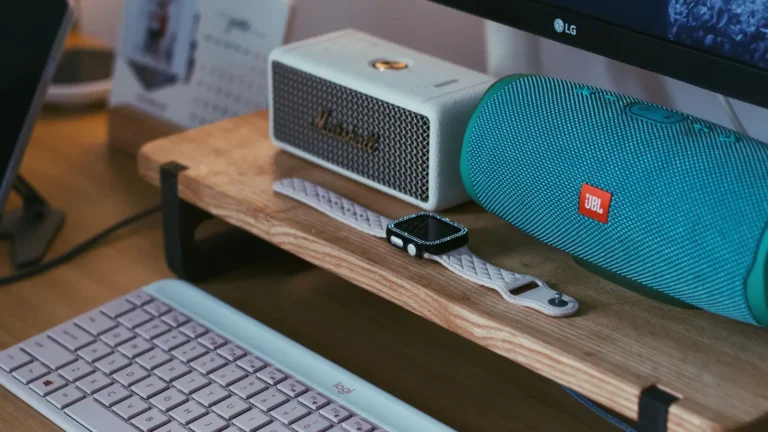
There are limits. In heavy rain, very intense workouts, or loud environments where hearing surroundings matters, this may not be the best choice. And if your work depends on crystal-clear call audio, a dedicated headset still does the job better than JBL Bluetooth speakers with mic.
But for everyday cold-weather use, the convenience is real. Fewer separate items, less cable mess, and no need to choose between staying warm and staying connected.
A lot of wearable gadgets are fine on day one and annoying by week three. Bluetooth beanies are no different. The little ownership details decide whether the hat becomes part of your routine or gets shoved in a drawer.
The first is how easy it is to remove the electronics. If the speakers and control module slide out without a fight, washing is simple. If they are awkward to remove, many people avoid cleaning the hat, which is not great for something sitting on your head through sweat, hair products, and winter weather.
The second is button feel. Raised, well-spaced controls are much easier to use outdoors than tiny flat buttons. This seems minor until you try pausing music with cold fingers at a crosswalk.
Third is charging access. If the port is hidden in a clumsy spot or the flap is difficult to open, charging turns into a chore. A straightforward design wins here.
A practical checklist before buying:
If you treat it like a convenience product and buy accordingly, a Bluetooth beanie can be genuinely useful. The mistake is shopping as if every model works the same. They do not. The better ones get the basics right: comfort, alignment, steady pairing, and simple everyday use.
If you are comparing it with more traditional audio gear for travel or daily use, it can also help to look at JBL wireless Bluetooth speakers or Bose Bluetooth speakers for a clearer sense of where a beanie fits on the convenience-versus-sound spectrum.
They can be, especially for short outdoor calls, as long as the mic picks up your voice clearly and the fit keeps the controls easy to reach.
Usually yes, but you normally need to remove the speakers and control module first. Always check the care instructions before washing.
Not usually. They are more about convenience and warmth than high-end sound, but a good fit can still make them sound clear enough for music, podcasts, and calls.
Most last several hours per charge, but runtime depends on volume, call use, and cold weather. Real-world use is often shorter than the headline claim.
Yes. Low temperatures can reduce battery performance, so expect shorter runtime outside than you might get indoors.
Not always. Stretch helps, but speaker alignment and overall comfort vary, so sizing notes and buyer reviews are worth checking.
It can work well for light runs and winter walks if the hat stays in place and the controls are easy to use while moving.