





Newsletter Subscribe
Enter your email address below and subscribe to our newsletter

Enter your email address below and subscribe to our newsletter

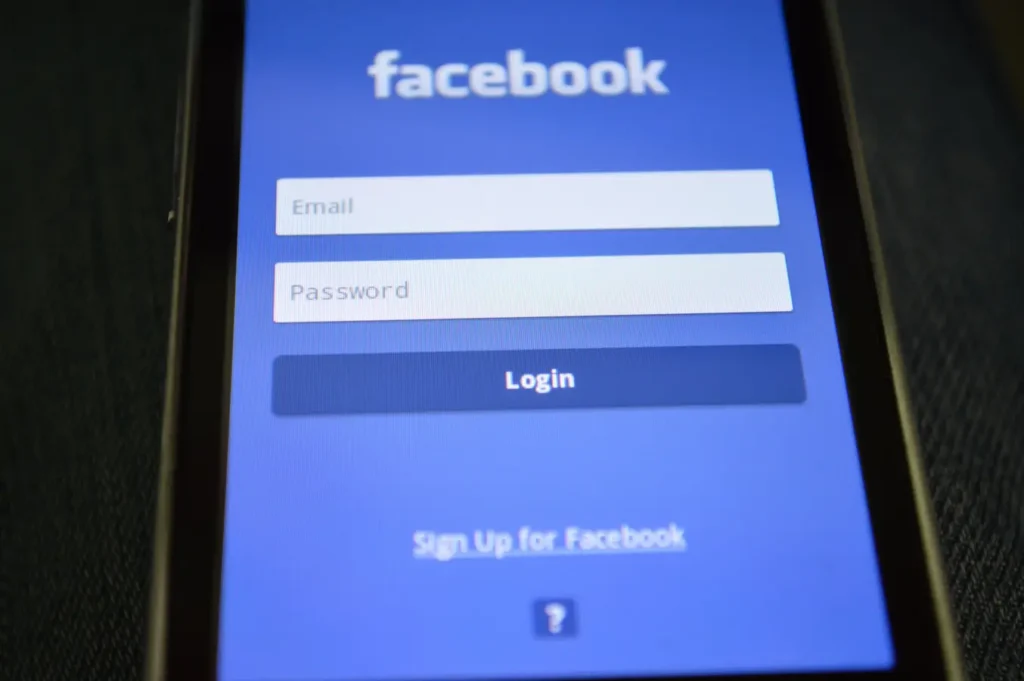
You open Facebook Business Manager to check an ad account, approve a page request, or fix billing, and suddenly the password in your browser no longer works. That usually leads to a confusing question: are you supposed to change a separate Business Manager password, or the password on your Facebook account?
That confusion is common because Business Manager access sits on top of your personal Facebook login. If the login is outdated, saved incorrectly in your browser, or locked after a security alert, you can end up stuck before you even reach the business dashboard. Sometimes the password is fine and the real problem is account access, cached credentials, or the wrong profile being used.
This guide walks through how to change the password tied to Facebook Business Manager, what to do if you forgot it, and how to fix the common login issues that show up right after the change.
There is no separate password just for Facebook Business Manager. You sign in with the Facebook account connected to your business assets, so the password you need to change is the password for that Facebook profile.
That matters because people often look inside Business Settings for a password option and never find one. If you manage pages, ad accounts, catalogs, or pixels through Meta Business Manager, your access still depends on your Facebook login.
Before changing anything, check a few basics:
If the error happens before you can log in to Facebook at all, it is a password or account recovery issue. If you can get into Facebook but not the business area, the problem may be permissions, role changes, or a browser session conflict instead.
That small distinction saves time. A lot of users try to reset the wrong thing when the actual issue is access, not authentication.
If you still know your current password, the fastest path is to change it from your Facebook account settings.
In most setups, open Facebook, go to Settings & privacy, then Settings, and find the password or security area inside Accounts Center. Facebook moves labels around from time to time, but you are looking for the section that manages login and security for your account.
Once you are there:
Choose something unique and not reused on another platform. If multiple people on your team know the old password for some reason, that is a security problem by itself. Business access should be role-based, not shared through one login.
After the change, Facebook may ask whether you want to stay signed in on other devices or review active sessions. If you suspect a security issue, sign out of other sessions and review where the account has been used recently.
Then test access by opening Business Manager again in a fresh tab. If it works there but not in your usual browser window, you are probably dealing with saved credential or cookie problems rather than a bad password.
If you cannot remember the existing password, use the Facebook password reset option from the login screen. This is the correct route for Business Manager too, because again, the business tools use your Facebook account credentials.
On the sign-in page, choose the forgot password option and follow the recovery steps using the email address or phone number linked to the account. Facebook may offer several recovery methods depending on what is on file.
A few things tend to slow people down here:
If Facebook asks for identity confirmation or a security checkpoint, complete it promptly. Recovery can be quick for a simple reset, but it takes longer when the account is locked, flagged, or missing current recovery details.
Once you regain access, do not stop at the password reset. Update your recovery email and phone number, check active sessions, and confirm that your Business Manager access is still intact. Recovering the account solves the login piece, but it does not automatically fix role or permission issues if they changed while you were locked out.
One of the most annoying Facebook Business Manager login issues happens after a successful password change. You know the new password is correct, but the browser keeps feeding the old one back into the login form or pushing you into a stale session.
Start with a private or incognito window. If the new password works there, the problem is usually local to your browser.
Then check these spots:
Repeated login prompts are often caused by expired sessions or blocked cookies, not by the password itself. Clearing cookies and signing in again usually fixes it faster than repeatedly resetting your password.
If the issue continues, try another browser or device. That helps you isolate whether the problem is with the account or with the environment you are using to sign in. Also make sure the correct Facebook profile is selected if you manage more than one. Logging into the wrong profile can look like a password failure when it is really an account mismatch.
Bluntly, if the login works on your phone but not your desktop, stop changing the password and start fixing the browser.
You may be able to log in to Facebook normally and still fail to access Business Manager. In that case, the password is probably not the real issue.
This usually happens when:
Check whether the error appears before or after the Business Manager dashboard opens. If you reach the dashboard but cannot see the expected ad account, page, or billing area, ask a business admin to verify your permissions.
This is especially common on teams where people move between agencies, clients, or internal roles. The Facebook account password can be perfectly valid while the business access tied to that account has been revoked.
Also review recent Facebook security alerts. If Meta restricted the account after suspicious activity, you might need to complete a checkpoint before business assets become available again.
So if you can log in to Facebook but not Business Manager, do not assume a password reset will fix it. Confirm that the account itself still has the right business role.
Once the password change is complete and you can log in again, spend a few minutes tightening the account. This matters more for business users because one compromised profile can expose pages, ad accounts, payment methods, and agency relationships.
At minimum, do these four things:
Facebook security settings and Accounts Center make most of this manageable in one place. If your company has security policies, this is also a good time to make sure your login habits match them. That includes using a strong unique password and avoiding shared credentials.
If you work across multiple devices, update the new password deliberately rather than waiting for random login prompts. Old saved credentials on one laptop or browser can create confusion for weeks afterward.
Finally, if the password change followed a suspected breach, review recent business activity too. Look for unfamiliar page changes, ad account activity, or admin assignments. A clean login is good, but it is not the whole security check.
If you want the shortest possible diagnostic path, use this order.
That sequence catches most problems without wasting time. The biggest mistake is treating every access issue like a password issue. The second biggest is changing the password successfully but forgetting that your browser, Windows password manager, or device still holds the old one.
If you are supporting a team, make sure each person uses their own Facebook account with the proper business role. That keeps password changes simple and avoids the mess that comes from shared logins.
No. Business Manager uses the password for the Facebook account linked to it.
Use the Facebook password reset option from the login page and follow the recovery steps.
It can, especially if you choose to sign out of other sessions during the update.
The issue may be permissions, account access, or browser cache rather than the password itself.
An expired session, blocked cookies, or a saved old password often causes repeated login prompts.
Yes. If your business role changed or access was revoked, the password alone will not fix it.