





Newsletter Subscribe
Enter your email address below and subscribe to our newsletter

Enter your email address below and subscribe to our newsletter

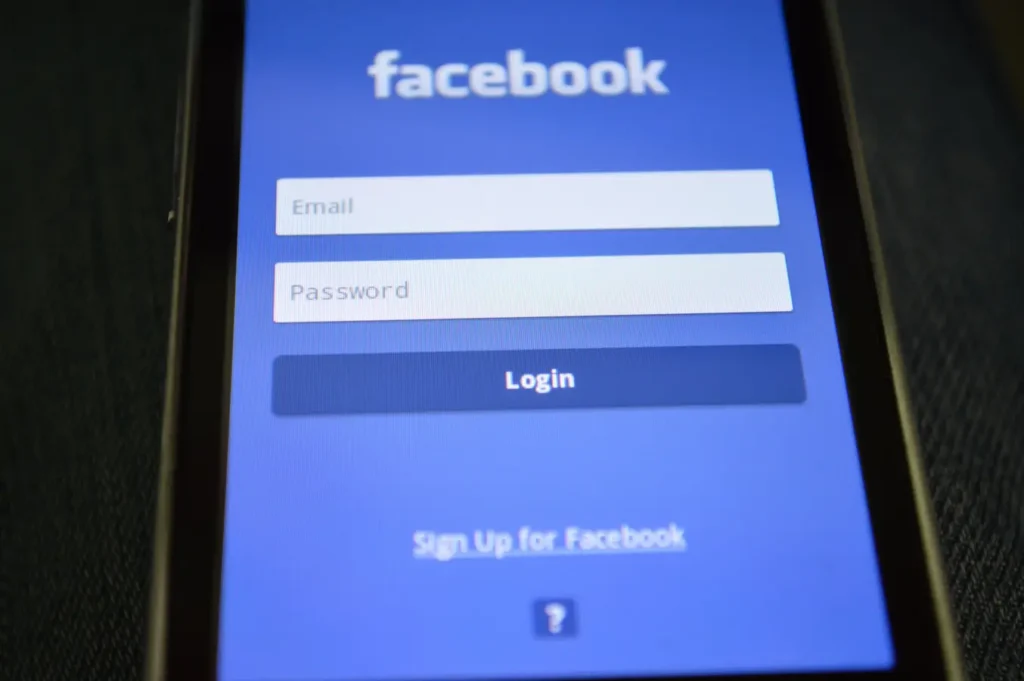
You usually notice your Facebook password setup is bad at the worst possible time. Maybe you are trying to log in on a new phone and cannot remember which version of the password is current. Maybe the browser keeps filling an old one. Or maybe you know, quietly, that the same password is also protecting your email, a shopping account, and three other sites.
That is where a password manager for Facebook becomes less of a convenience tool and more of a basic security upgrade. It gives you one place to store a strong, unique login, fill it in quickly on trusted devices, and stop relying on memory, notes, or browser clutter. If you care about Facebook account security, the right manager also helps with breach alerts, safer autofill, and cleanup of old saved credentials.
The key is choosing one that actually fits how you log in day to day, not just one with a long feature list.
Facebook is one of those accounts people use for years without revisiting the basics. The password was created a long time ago, maybe reused from another site, maybe slightly updated after a reset, and then left alone. That is how small bad habits turn into account takeover risk.
The biggest problem is reuse. If your Facebook password matches one used somewhere else, a breach on that other service can become a Facebook problem too. Attackers do not need to guess much if leaked email and password pairs are already circulating.
Weak but memorable passwords are the second issue. People often pick something they can recall easily because they expect to type it manually. That tradeoff hurts security. A long random password is better, but hardly anyone wants to memorize one just for Facebook.
Then there is storage. Plenty of users keep credentials in notes, screenshots, chat messages to themselves, or old browsers across multiple devices. That creates confusion as much as risk. You stop knowing which password is correct, where it is saved, and who could access it on a shared laptop.
A dedicated password manager fixes the root of this. It lets you replace the old password with a long unique one, store it in an encrypted vault, and use autofill instead of memory. That removes the need to make your Facebook password convenient for your brain, which is usually when security starts slipping.
Not every password tool is equally useful for a Facebook login. For this job, the basics matter more than flashy extras.
First, it should generate strong passwords. When you update Facebook, the manager should be able to create a long random password instantly and save it without friction. If the generator is buried or clumsy, people fall back to editing an old password instead of replacing it properly.
Second, autofill needs to be reliable but not reckless. A good manager should recognize the real Facebook login page, fill credentials smoothly on desktop and mobile, and avoid spraying logins into lookalike phishing pages. That last part matters. One quiet advantage of a dedicated manager is that fake pages often do not trigger autofill the way the real domain does.
Third, look for cross-device sync. Most people use Facebook on more than one device, and password habits break down when the vault is only current on one of them. If you switch between phone, laptop, and tablet, you want the same entry available everywhere.
Useful extras include breach monitoring, secure notes for recovery details, and support for passkeys or strong two-factor workflows if the tool offers them. A dedicated app also tends to give you better recovery controls and clearer visibility than a browser password manager.
Practical checklist:
A lot of people already have Facebook saved in Chrome, Safari, Edge, or iCloud Keychain and wonder if that is enough. Sometimes it is fine. Often it is just good enough until something goes wrong.
Browser password managers are easy because they are already there. They save logins with one click and sync nicely inside their own ecosystem. If all your devices live in the same world and you do not need much else, that can cover the basics.
But dedicated password manager programs usually give you stronger controls. You get a clearer vault, better organization, better visibility into reused passwords, and more useful breach monitoring. If you need to separate personal and work logins, protect a family account setup, or manage credentials across different operating systems, browser tools start to feel narrow.
Security posture is part of the difference too. Dedicated tools are built around vault protection, secure sharing, item auditing, and recovery design. Browser saving is mainly built around convenience. That does not make browser options unsafe by default, but it does mean they are not always the best fit for an account as important as Facebook.
If your current setup already works, ask a few blunt questions. Can you see whether the Facebook password is reused elsewhere? Do you get breach alerts? Can you move smoothly between devices? Can you audit old saved logins and remove stale ones? If the answer is mostly no, that is usually the point where a dedicated password manager becomes worth paying for.
If you are switching from memory, notes, or browser saving, the cleanest approach is to fix the password and storage method in one go.
Start by checking whether your current Facebook password is used anywhere else. If it is, do not just import it into a vault and call it done. Change it. Use your password manager to generate a new one and save the updated login immediately.
Then review your browser-saved passwords. Many people have multiple Facebook entries across old domains, devices, or usernames. Clean those up after the new password is stored in the dedicated manager. Leaving stale entries behind is how autofill confusion starts.
Once the new login is saved, test it on the real Facebook site and in the mobile app if you use both. Make sure the manager fills the correct email or phone number, not an old credential. This is also a good time to confirm your recovery email and phone number inside Facebook are current.
After that, turn on two-factor authentication. A password manager helps protect the password, but it should not be the only layer. If your password is exposed through malware, device theft, or some other mess, 2FA can still stop the login from succeeding.
A practical migration order:
This takes a few minutes, but it removes years of password drift.
Most people think about password managers as storage tools. They are also surprisingly useful for spotting fake login pages.
Here is the practical reason: autofill tends to work based on the exact site or app the login belongs to. If you land on a fake Facebook page with a lookalike address, a good password manager often will not fill the saved login automatically. That pause is useful. It forces you to notice that something is off before you hand over your account.
This is not perfect protection. If you manually copy and paste the password into a fake page, the manager cannot save you from that decision. And some users train themselves to ignore domain details completely because they expect autofill to do all the thinking. That is a mistake too.
The smarter habit is to treat autofill as one signal, not the only signal. If the manager normally fills on Facebook and suddenly does not, stop. Check the domain carefully. Avoid login links from messages or posts claiming your account needs urgent verification. Open Facebook directly from your app or type the known address yourself.
On shared or public devices, be stricter. Do not rely on browser-saved credentials there. Use your password manager only if the device is trusted and protected, and sign out when you are done. Convenience is useful, but on the wrong machine it can become account exposure very quickly.
Forgetting the password is often a symptom of a messy setup, not a memory problem. Maybe Facebook was saved in one browser, then changed on another device, then reset once during a suspicious login prompt. Now there are several possible passwords in circulation and none feels reliable.
A password manager solves that by giving you one source of truth. The important part is discipline after the reset. If your saved Facebook password no longer works, reset it through Facebook, sign in, and update the vault entry right away. Do not tell yourself you will fix it later. Later is how old passwords stay everywhere.
It also helps to store the login identifier cleanly. Some people sign in with an email address, others with a phone number, and some have changed both over time. Label the entry so you can see exactly which account it belongs to and what credential pair it uses.
While you are in recovery mode, check your account recovery details. Make sure the email address and phone number attached to Facebook still belong to you and are reachable. If they are outdated, a future lockout gets much harder to fix.
This is one of the more practical reasons to use a password manager for Facebook. It reduces lockouts, cuts down on reset loops, and makes password updates less fragile. Security is part of the value, but simple account continuity matters too.
For some people, a free browser option or built-in ecosystem tool is enough. For others, paying for a dedicated manager makes immediate sense. The decision comes down to how much risk, device switching, and account complexity you actually have.
A paid tool is usually easier to justify if Facebook is tied closely to your business pages, Marketplace activity, ad account access, or personal history you really do not want hijacked. It is also a better fit if you use mixed devices, want breach alerts, or need stronger recovery and vault controls than a browser can offer.
You are not just paying to store one password. You are paying to stop reusing passwords, clean up credential sprawl, and build a login routine that does not depend on memory. If the tool helps you replace weak passwords across other important accounts too, the value goes beyond Facebook pretty fast.
What is not worth paying for is complexity you will never use. If a manager feels slow, confusing, or overbuilt for your habits, you may stop using it properly. In practice, the best password manager for Facebook is the one you trust enough to store the login, update it when needed, and use consistently on your everyday devices like an iPhone password manager, Android app, or desktop tool.
That sounds obvious, but it matters. A perfect security tool that sits half-configured is worse than a simpler one that is actually maintained.
Yes, if you want a unique Facebook password without having to memorize it. It also gives you a safer place to store the login than notes or scattered browser entries.
Yes. It stores the current login in one place and can autofill it when needed, which cuts down on lockouts and repeated resets.
It can be enough for basic use, but a dedicated password manager usually gives you better auditing, breach alerts, device flexibility, and clearer control over saved logins.
It can help. Autofill often works only on the real Facebook site, so if it does not trigger where you expect it to, that can be a useful warning sign.
Start with active sessions, your current password, recovery methods, and whether two-factor authentication is turned on.
Reset it through Facebook, sign in, and immediately replace the old entry in your password manager so the vault stays current.
If you mainly sign in from a PC, choosing a password manager on Windows can also make everyday use more consistent across browsers and apps.