








Newsletter Subscribe
Enter your email address below and subscribe to our newsletter

Enter your email address below and subscribe to our newsletter
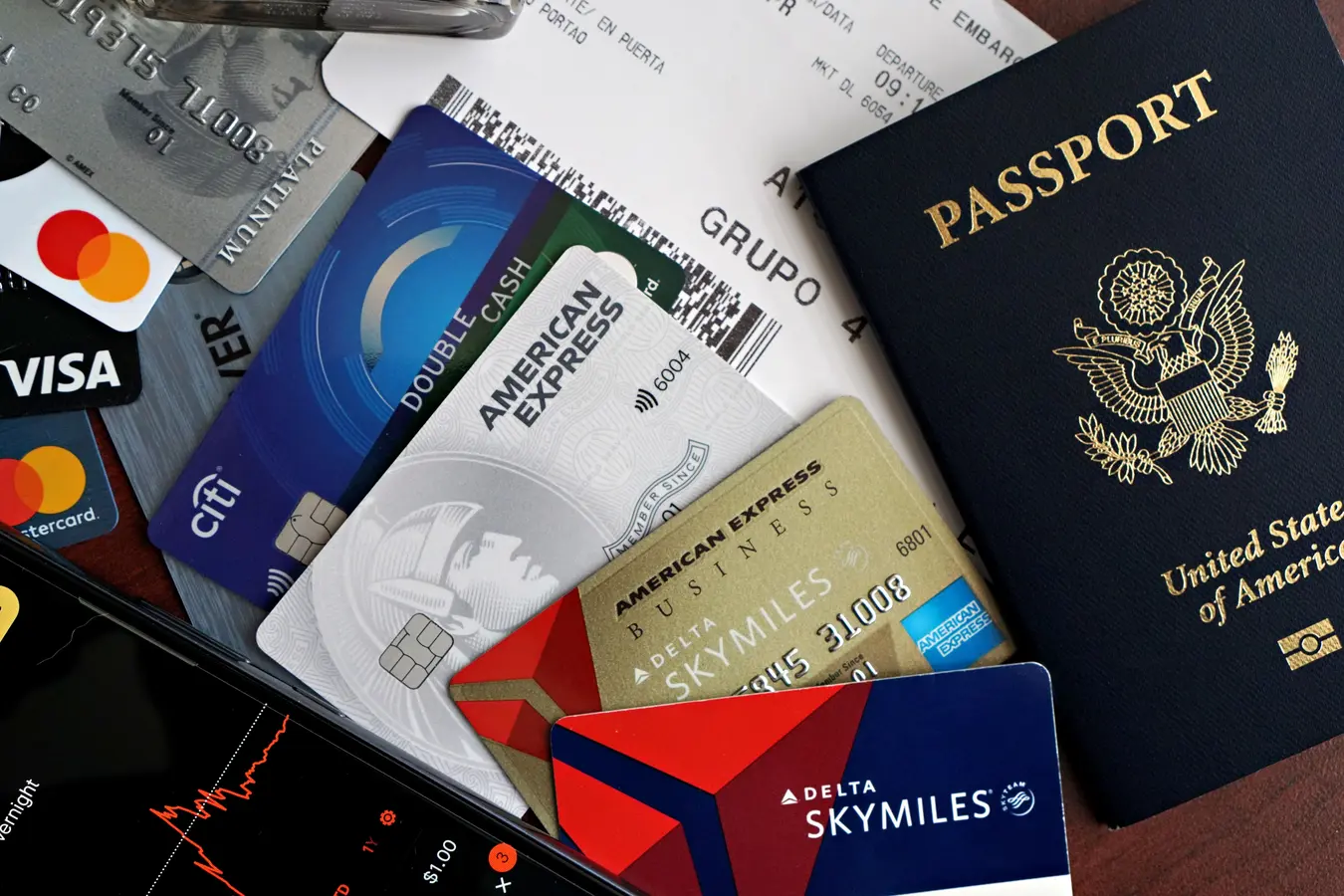
You notice airport lounge access most when you do not have it. A delayed flight, nowhere to sit near the gate, overpriced food, crowded charging stations. That is usually the moment premium travel cards start looking reasonable.
The problem is that lounge access is one of the easiest card perks to misjudge. One card advertises a huge network but has weak coverage at your airport. Another includes a valuable credit, but only if you remember to use it in the right place. Guest rules, visit caps, and authorized user benefits can swing the math a lot more than most people expect.
If you are comparing premium credit cards with lounge access, the real question is not which card sounds best. It is which card fits the way you actually travel. The cards worth paying for are the ones that cover your airports, offset enough of the annual fee with usable perks, and do not surprise you with access restrictions when you need them most.
The biggest mistake people make is comparing lounge counts instead of coverage. A card can advertise access to hundreds or even thousands of lounges worldwide and still be a bad fit if your home airport, usual terminals, or common routes are poorly covered.
Start with a short list of airports you use most often. Not dream trips. Real trips. Your home airport, your most common connections, and the destinations you visit regularly for work or family. Then check which lounge programs show up in those terminals.
This matters because premium cards do not all open the same doors. Some lean on Priority Pass style access. Some are strongest because of issuer-operated lounges. Some work best if you already prefer one airline and often fly its hubs. And some look broad on paper but become much less useful once you notice that the participating lounges are in the wrong terminal or outside security.
Coverage usually matters more than raw lounge count. If Card A gives you 1,400 locations globally but none at the two airports you use every month, Card B with a smaller but more relevant network is better.
Also check what kind of access is included. At some airports, the value may come from a high-quality issuer lounge. At others, the practical benefit is simply having any quiet place with food, Wi-Fi, and clean seating during delays. Either can be enough. Just do not assume one network works equally well everywhere.
Lounge access is not a single perk. It is a bundle of rules.
One premium card may include unlimited entry to an issuer’s own lounges but only limited entry to partner spaces. Another may offer broad third-party access but no restaurant credits, no arrival access, or stricter guest policies. A premium annual fee does not automatically mean unrestricted use.
Here are the terms that usually matter most:
This is why premium credit cards with lounge access can feel amazing for one traveler and underwhelming for another. A solo traveler who flies often through airports with strong coverage may get huge value. A family of four may run into guest fees quickly. Someone who travels only a few times a year may barely use the perk at all.
Before applying, read the current access rules instead of relying on card roundup summaries. Lounge policies change, guest terms shift, and benefits that were generous last year may be narrower now.
Premium cards look expensive because the annual fees are obvious and immediate. The value is scattered across credits, protections, rewards, and convenience perks, so it is easier to overestimate or underestimate what you are really getting.
A better approach is to calculate a realistic net cost.
Start with the annual fee. Then subtract only the value of benefits you would naturally use anyway. Not theoretical value. Real value.
For example, a travel credit is close to cash-like if you already spend in the eligible category without changing behavior. A monthly dining or rideshare credit is worth much less if you have to remember to trigger it or spend differently just to avoid wasting it. Hotel status can be useful, but only if you actually stay in those brands often enough to notice better rooms, breakfast, or late checkout.
Lounge access itself should also be valued conservatively. If you think you will use a lounge ten times, ask whether that is based on your actual travel calendar or on a best-case version of your future self. People regularly overcount.
A simple test: if the card lost its marketing shine tomorrow, would the credits still fit your normal life? If yes, they can meaningfully offset the fee. If no, do not give them full value.
Most travelers should not expect lounge access alone to justify a premium card. It becomes easier to justify when it comes with usable statement credits, strong travel insurance, and reward points that fit how you book flights and hotels.
If you mostly travel alone, lounge access is simpler. If you travel with a partner, children, coworkers, or friends, the economics change fast.
Guest access is where many comparisons fall apart. Two cards with similar annual fees can produce very different real-world value depending on whether they include complimentary guests, charge per person, or require each traveler to hold their own eligible card.
That matters even more for couples and families. A card that seems expensive at first can become reasonable if a lower-cost authorized user gets their own lounge privileges. On the other hand, a card that looks great for solo travel may become frustrating if every companion triggers an entry fee.
There are also practical differences beyond price. Some issuers make it easy for an authorized user to access lounges independently. Others tie access more tightly to the primary cardholder or limit which lounge types are included. Not every extra cardholder gets the full premium experience.
Think through your real travel pattern:
For many households, this section of the terms matters more than the headline lounge network. The wrong guest policy can erase a lot of the value you thought you were buying.
If you evaluate a premium card only by lounge access, several good options will look overpriced. The more complete comparison is about the whole travel package.
Travel protections are one of the easiest benefits to ignore until something goes wrong. Trip delay coverage, cancellation and interruption protection, baggage coverage, rental car insurance, and emergency assistance can save real money and hassle. These benefits are not exciting in normal months, but they can become the most valuable part of the card in a bad travel year.
Rewards structure matters too. A card with solid lounge access but weak earnings or awkward redemption options may be less valuable than a card whose points transfer well to airline and hotel partners you actually use. If you redeem intelligently, transfer partners can add a lot of long-term value that does not show up in a simple lounge comparison.
Hotel benefits can also tip the decision. Automatic status, elite-night credits, resort or property credits, and late checkout are meaningful for some travelers and nearly worthless for others. The same goes for airline incidental credits or premium booking program benefits.
The useful question is not whether a perk exists. It is whether that perk changes what you would otherwise pay for, book, or receive.
This is why two people can honestly disagree about the same card. A frequent flyer who uses trip protections, transfer partners, and hotel perks may get excellent value. Someone who just wants occasional lounge snacks before a flight probably will not.
If you are deciding between a few premium credit cards with lounge access, use a practical filter instead of a long feature checklist.
Step one: map your airports. Check lounge availability by airport and terminal for the routes you actually fly.
Step two: estimate annual lounge use. Count departures, connections, and delays where you would genuinely stop in. Be conservative.
Step three: score guest needs. If you almost always travel with someone else, include that cost or benefit in the math immediately.
Step four: value credits at what you will really use. A $300 travel credit might be worth nearly $300 to you. A stack of monthly niche credits may be worth far less than face value.
Step five: compare the non-lounge benefits you rely on most. That may be trip delay insurance, transfer partners, hotel status, or a stronger points earning setup.
You can even keep it simple with three columns:
The best card usually wins on fit, not on raw perk volume. A card with fewer flashy benefits but better airport coverage and easier-to-use credits often delivers more year after year.
And if the numbers feel forced, that is useful information too. Sometimes the honest answer is that a free credit card with lounge access or a premium card is not worth it for your current travel pattern.
These cards tend to be worth it for travelers who fly several times a year, regularly pass through airports with strong lounge coverage, and can naturally use a meaningful share of the travel credits and protections.
They are especially compelling if you value reliability over luxury. You do not need every lounge visit to feel special. If the card consistently gives you a cleaner, quieter place to sit, dependable Wi-Fi, food you would otherwise buy, and some buffer during delays, that adds up.
They are less likely to be worth it if you rarely fly, mainly use airports with poor lounge options, already get lounge access through airline status or premium cabin tickets, or need to twist your spending habits to unlock the credits. In that case, the annual fee starts feeling like a subscription to perks you admire more than use.
There is also a middle group: travelers who can justify a premium card some years but not others. If your travel volume changes, a card that made sense during heavy work travel may no longer earn its keep. Review it at each renewal, not just when you apply.
Bottom line: premium lounge cards are not universally overpriced or universally worth it. They are situational. Compare lounge networks first, then annual fee offset, then guest rules, then the rest of the travel package. In that order, the decision usually gets much clearer.
For travelers who fly often for work, it can also help to compare business credit cards with lounge access separately from personal options.
They can be if you travel often, use the lounge network at your actual airports, and get real value from credits and travel protections.
No. Some include guests, some charge per guest, and some limit or exclude complimentary companion access.
No. Coverage depends on the card’s lounge network, the airport, and sometimes even the terminal you use.
Real airport coverage, guest rules, realistic annual fee offset, and how often you will actually use the benefits.
Usually not. Most people need usable credits, protections, or strong rewards value alongside lounge access to make the fee worthwhile.
Not always. Some cards include meaningful access for authorized users, while others restrict it or charge extra.