








Newsletter Subscribe
Enter your email address below and subscribe to our newsletter

Enter your email address below and subscribe to our newsletter
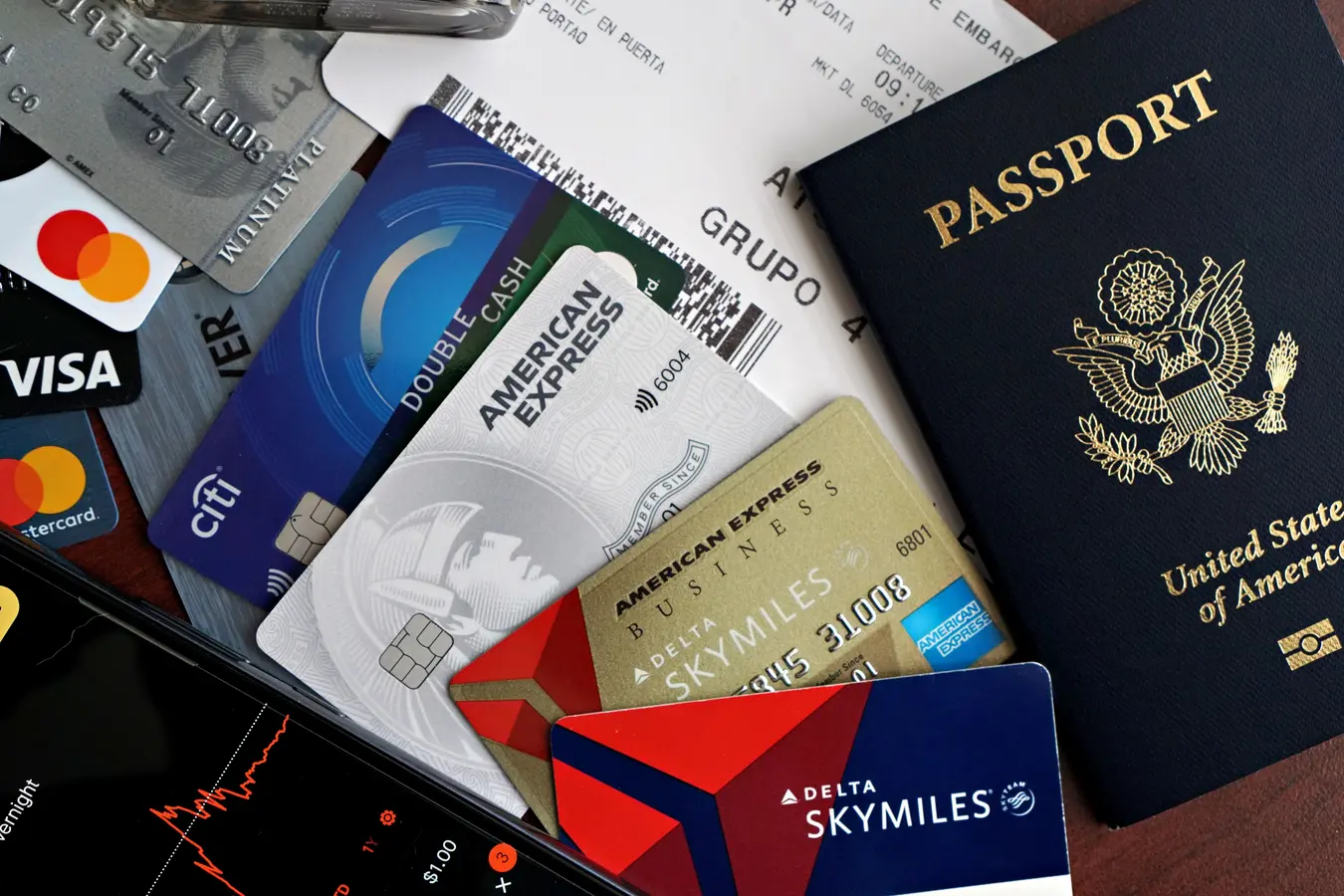
Airport lounges sound like a premium perk until you price them out one visit at a time. For occasional travelers, paying a high annual fee just to sit somewhere quieter before a flight can feel just as wasteful. That is why no-annual-fee cards with lounge access get so much attention. On paper, they promise a small taste of premium travel without the long-term cost.
The catch is that many of these cards do not work the way people expect. Some include only one or two visits a year. Some require spending milestones. Some offer access through a lounge program that barely covers the airports you actually use. And some make up for the free annual fee with foreign transaction charges or weaker rewards.
If you are comparing the best free credit cards with lounge access, the smart move is not chasing the fanciest perk line. It is figuring out what kind of access you are really getting, what it costs indirectly, and whether the card still makes sense when the travel marketing is stripped away.
The basic appeal is obvious: you want lounge access without paying a yearly card fee. But no-annual-fee travel cards usually do not offer lounge benefits in the same way premium cards do. That difference matters more than the headline suggests.
A premium card may include unlimited entry, broad airport lounge access programs, travel insurance, and stronger rewards. A free card usually gives you a narrower version of that package. Maybe it is one complimentary visit per quarter. Maybe it is two visits a year. Maybe access only unlocks after a spending threshold. Sometimes the issuer calls it a lounge benefit even when it is really a discounted entry program or a voucher arrangement.
This does not make the card bad. It just means the value is fragile. If you fly three times a year and use every included visit, a free card can work well. If you assume it behaves like a premium travel card, disappointment comes fast.
There is also a regional issue. Card terms vary by country and issuer, and some products that advertise lounge access in one market have different rules elsewhere. Even within the same brand family, lounge networks, guest policy, and activation steps can differ. So when people compare the best free credit cards with lounge access, they are often mixing unlike products.
The right question is not whether a free card has lounge access. It is what type of access it has, how often you can use it, and what you give up to get it.
Start with the lounge benefit itself. Not the points earn rate. Not the welcome language. The actual access rules.
Check these first:
These details tell you whether the perk is usable in real life. A card that offers two free visits through a strong network may be more valuable than a card that advertises lounge access more loudly but has limited participating airports in your usual terminal.
After that, look at the fee schedule. Many no-annual-fee cards quietly recover value elsewhere through foreign transaction fees, cash advance charges, or a weaker rewards structure. If you travel internationally even a few times a year, a forex fee can wipe out the value of limited lounge access very quickly.
Then look at the entry requirements. Some free cards still have minimum income rules, spend conditions, or invitation-only positioning. Others waive the annual fee only in year one, which is not the same thing as being free.
If a card passes those checks, then reward points and travel extras can break the tie. Not before.
A lot of travelers compare cards as if the card itself determines lounge quality. Usually, the network does.
Many cards rely on third-party airport lounge access programs rather than direct issuer-owned lounges. That means your experience depends on whether the participating lounge exists at your departure airport, whether it is in the terminal you are using, and whether entry conditions are practical. A card can technically include lounge access and still be useless on your normal routes.
This is where comparison often goes wrong. People see a recognizable card brand, assume broad coverage, and apply without checking the lounge list. Later they discover that their most-used airport either has no participating lounge or only one in a different terminal. In some airports, the network includes lounges only on international departures, not domestic ones.
Before choosing a card, verify three things:
Issuer comparison pages are useful for top-level terms, but lounge program websites are usually better for terminal-by-terminal detail. That extra check can save you from choosing a card based on a perk you will almost never be able to use.
Also pay attention to how access is delivered. Some cards provide a membership number or app-based pass. Others use voucher systems or reimburse the fee after the visit. Those systems are not interchangeable. If the process is clumsy, many cardholders simply stop using the benefit.
In short, coverage beats branding. A modest free card tied to the right network can feel more useful than a bigger-name card tied to airports you rarely touch.
No annual fee does not mean no meaningful cost. This is where many free travel cards become less attractive.
The biggest problem is foreign transaction fees. If a card charges a percentage on overseas spending, even a short trip can generate enough extra cost to offset a couple of lounge visits. A traveler who uses the card abroad for hotels, meals, and transport may lose more in forex charges than they save through lounge access.
Interest matters too. Cards marketed around travel perks can distract from the fact that carrying a balance makes every perk expensive. If you do not pay in full, the lounge benefit is a sideshow.
Other costs are smaller but still worth checking: charges for extra lounge visits, guest access fees, cash advance pricing, card replacement fees while traveling, and inactivity or program enrollment issues. Some supplementary cards do not inherit the same lounge benefit, or they get reduced access compared with the primary cardholder.
Read these lines in the fee table:
This is also where reward caps come in. A free card might earn points, but if the rate is low or heavily capped, the overall travel value may be weak once the initial lounge perk stops looking special.
Plenty of cards are still worth getting despite these limits. The point is to judge the whole package, not just the airport benefit. A card that saves you on forex and gives one or two usable lounge entries can be stronger than a card with slightly better access but more expensive day-to-day travel use.
These cards make the most sense for occasional travelers who want comfort a few times a year but cannot justify a premium annual fee. If that sounds like you, a limited lounge perk can be enough.
A good fit often looks like this: you fly a handful of times each year, usually through major airports, you pay your balance in full, and you value travel convenience but not enough to buy an expensive premium card. In that case, two to four annual visits, or even one visit tied to spending you already do, may be genuinely useful.
They can also work for people who care about flexibility more than status. Maybe you mostly want a backup option for delays, long layovers, or one exhausting early-morning trip when paying cash for lounge entry feels annoying. A free card can cover that without becoming another recurring bill.
Where they fit poorly is just as important. If you travel monthly, want guaranteed access, bring guests often, or rely on lounge time as part of your routine, limited free cards usually feel restrictive. You will either burn through the included visits too fast or start paying per entry, which defeats the purpose.
They are also weak fits for people who choose cards based on one flashy perk and ignore spending patterns. If another no-fee card gives better rewards, lower travel charges, or stronger protections, you may get more real value from that card even without lounge access.
The lounge perk should match how you travel, not how you wish you traveled. That sounds obvious, but it is the easiest mistake to make.
If you are stuck between two or three options, use a practical scoring method. It does not need to be fancy.
First, estimate how many lounge visits you will realistically use in a year. Be conservative. If you took two flights last year, do not build your decision around six lounge visits you probably will not use. Then assign a rough value to each visit based on what you would actually pay out of pocket, not the inflated walk-in price you would never choose voluntarily.
Next, subtract likely costs. Include foreign transaction fees if you travel abroad, any spend required to unlock the benefit, and any charges for guests or extra visits. If one card requires high spending to earn two lounge entries, ask whether that spend would produce better rewards on another card.
Then add the side perks you genuinely care about. This might include travel insurance, purchase protection, reward points, app usability, or ease of benefit tracking. Issuer mobile apps matter more than they get credit for. If visit counts, vouchers, or activation are buried in a messy system, the perk becomes easier to forget.
A quick comparison framework:
Card comparison platforms and rewards calculators can help, but the decision often becomes clear with just one honest worksheet. If the lounge access is occasional, easy to use, and not offset by fees, the card is probably worth keeping. If the numbers only work under ideal conditions, it probably is not.
The first mistake is assuming free means permanently free. Some cards waive the annual fee only for the first year. Others attach conditions that are easy to miss in marketing language.
The second is not checking current terms. Lounge benefits change. Issuers can revise visit counts, participating networks, guest rules, or eligibility requirements. A comparison article from last year may already be out of date. Always verify the latest issuer page and cardmember terms before applying or renewing.
The third mistake is overvaluing the perk because premium cards made lounges feel aspirational. A couple of complimentary visits can be useful, but they should not overshadow poor everyday value. If you are paying forex fees, earning weak rewards, and struggling to find participating lounges, the card is not suddenly strong because it gets you into an airport lounge once or twice.
Another common miss: ignoring supplementary card details. Some households expect an additional cardholder to get the same access, only to find the perk applies only to the primary card or requires separate enrollment.
Finally, people forget to check how access is verified at the airport. Direct card swipe, membership app, QR pass, or reimbursement all create different levels of friction. If the process is unreliable or complicated, the benefit tends to go unused.
The best free credit cards with lounge access are rarely the ones with the boldest headline. They are the ones whose terms stay useful after you read the fine print.
They can be if you travel a few times a year, use the included visits, and avoid extra costs like high forex fees or paid guest access.
No. Most offer a small number of visits, discounted entry, or access only after meeting a spending requirement.
Start with visit limits, lounge network coverage, guest rules, activation steps, and whether the card is truly free beyond any first-year waiver.
Yes. Issuers can update networks, visit counts, and eligibility, so check current terms before applying and again before renewal.
Because the perk only has value if there is a participating lounge at the airport and terminal you actually use.
Yes. Foreign transaction fees, interest, paid extra visits, and weak rewards can easily cancel out the value of limited lounge access.
Only if you will use the lounge benefit enough to make up for weaker rewards or higher travel costs elsewhere.