





Newsletter Subscribe
Enter your email address below and subscribe to our newsletter

Enter your email address below and subscribe to our newsletter
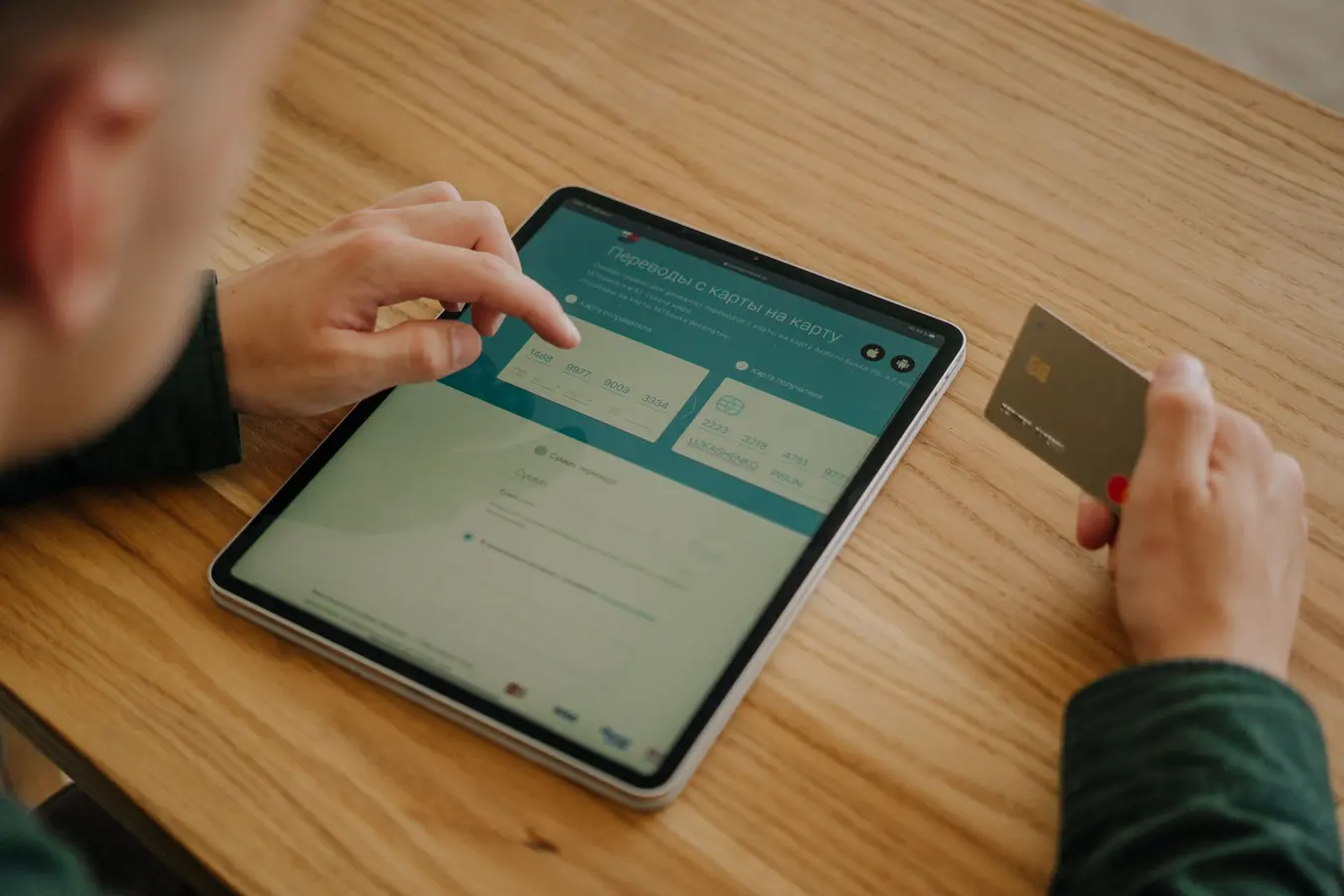
You sign up for a free trial, save your card on a shopping site, and then spend the next few weeks checking your statement more often than usual. That is the real reason many people start looking at virtual credit cards in India. Not because the concept is new or fancy, but because sharing the same primary card number everywhere feels increasingly risky.
A virtual card gives you a separate card number for online use, often with its own limit, validity period, and controls. In some cases, you can lock it to one merchant, use it once, or delete it right after a transaction. That makes it useful for subscriptions, trial offers, unfamiliar websites, and even routine international payments where you want tighter control.
The hard part is not understanding what a virtual card is. It is choosing one that actually fits how you pay. Fees, recurring payment support, international usage, KYC, and app controls matter more than glossy marketing. This guide focuses on those decisions.
The appeal is simple: a virtual credit card reduces how often your main card details are exposed online. If a merchant gets breached, or if card data is stored badly, the damage is easier to contain when you used a separate virtual number instead of your primary card.
That matters in everyday situations, not just rare fraud cases. Think about food apps, software trials, ad platforms, streaming subscriptions, gaming purchases, or smaller ecommerce stores you may only use once. Many users are comfortable paying online, but not comfortable giving the same card number to every service forever.
In India, interest also tends to rise when people hit practical limits with standard debit or credit cards. Some cards do not offer instant spending controls. Some banks make international toggles annoying. Some users want a safer way to test recurring billing without risking a larger unauthorized charge later.
Virtual cards solve different problems depending on the issuer:
They are not magic, though. A weak issuer, unclear fees, or poor support can undo the safety benefit quickly. The useful question is not whether virtual cards are safer in theory. It is whether a specific issuer gives you enough control to make them safer in practice.
Many virtual card options sound similar until you try using them. Then the differences show up fast.
Start with acceptance. Some cards work only for online purchases. Some can be linked to wallets. Some support international merchants, while others are domestic-first. If you need the card for SaaS tools, app stores, cloud platforms, or foreign websites, this is the first filter.
Then check recurring billing support. A lot of people want a virtual card mainly for subscriptions, but not every card handles recurring payments cleanly. A card that is perfect for one-time purchases may fail for auto-renewals.
Beyond that, look at the fee structure carefully:
KYC is another deciding factor. Some providers are quick and app-based. Others are slower or more document-heavy. If you need a card today for an urgent payment, instant issuance matters more than feature depth.
Finally, test the controls, not just the feature list. Can you freeze the card instantly from the app? Can you lower the limit before a purchase and raise it later if needed? Can you delete the card after one use? Marketing pages often mention “security features,” but the actual app experience tells you whether those controls are immediate or buried behind support tickets.
In India, virtual cards generally come from two broad paths: traditional banks and fintech platforms. Neither is automatically better. The right choice depends on how much control you want versus how much simplicity you need.
Bank-issued virtual cards usually work best for users who already have a relationship with the bank. You may be able to generate a card from net banking or the mobile app and fund it directly through your existing account or credit line. This route often feels more familiar, and trust tends to be higher when the issuer is a regulated bank you already use.
The downside is that some bank virtual cards can be basic. You may get a temporary card number, but not much flexibility around merchant lock, granular spending caps, or subscription tracking.
Fintech-issued virtual cards often offer better control layers. Real-time alerts, category-level spend tracking, merchant locking, quick freezing, and cleaner dashboards are common strengths. These products can feel far more usable if you manage several online payments each month.
But convenience should not distract from the basics. With fintechs, review the underlying issuer, KYC rules, customer support quality, and how disputes are handled. A polished app does not help much if charge resolution is slow.
A practical way to decide:
If you make frequent international or recurring payments, the better app usually wins. If your use case is occasional online shopping, a simpler bank-issued card may be enough.
Not every virtual card improves safety by the same amount. The most useful features are the ones that limit misuse after your card details are shared.
Single-use card numbers are one of the strongest protections for one-time purchases. If the number becomes useless after the transaction, later misuse becomes much harder.
Merchant-locked cards are especially useful for subscriptions. The card can be restricted to one seller, so even if the number leaks elsewhere, it should not work on another merchant. This is a practical middle ground between convenience and control.
Custom spend limits help more than people think. If you know a purchase should be ₹799, there is no reason to leave a much higher limit active. Tight limits reduce the damage from duplicate or padded charges.
Short validity periods are useful for trial offers and uncertain merchants. A card that expires soon is easier to forget safely.
Instant freeze or delete matters because fraud rarely happens on your schedule. If you need to wait for customer care, the feature is not doing enough. You want app-level control, immediately.
Real-time alerts and visible transaction logs are less glamorous, but extremely important. Unauthorized charges are often small at first. Fast alerts let you react before the pattern becomes expensive.
The best setup for most users is not the most complex one. It is a card with a few controls you will actually use: limit setting, merchant lock where available, international toggle, and instant blocking. Fancy features are irrelevant if they are hard to access when something goes wrong.
Virtual credit cards in India are especially useful in a few recurring situations.
Subscriptions and free trials: This is probably the clearest use case. A separate virtual card makes it easier to isolate one service, control the limit, or shut the card down if cancellation is messy. It is a cleaner way to handle streaming platforms, software renewals, design tools, or app memberships.
International payments: If the issuer supports it, a virtual card can reduce the discomfort of saving your main card on foreign sites. This matters for online tools, education platforms, travel bookings, and digital ad spends. Just check the forex markup first. A “safer” card can still be expensive.
Low-trust merchants: When a site looks legitimate but not fully established, using a disposable or merchant-specific card is simply more sensible than exposing your main number.
Family or delegated spending: Some users create a separate virtual card for a specific household expense or a teenager’s app purchases, where a fixed cap matters more than broad access. For younger users comparing student credit cards in India, this kind of controlled setup can feel especially practical.
Budget control: Even when fraud is not the concern, a virtual card can be useful as a spending boundary. A dedicated card for shopping, travel, or ad spend keeps those transactions separate and easier to review.
Where they help less: offline payments, broad wallet usage if unsupported, and situations where chargebacks or refunds are already likely to be messy. In those cases, strong support and dispute handling matter more than the card format itself.
The biggest mistake is assuming a virtual card automatically works everywhere a normal credit card works. It does not.
Some merchants reject certain prepaid-style or limited-use cards. Some recurring billing systems do not handle regenerated numbers well. Some cards cannot be used for hotel holds, verification charges, or services that expect a long-standing card credential.
Refunds can also be awkward. If you delete or expire a card too aggressively, a refund may take longer or require support intervention. That does not mean you should avoid strong controls, only that you should think about refund timing before closing a card used for a cancellable purchase.
International usage brings another layer. A card may technically support foreign merchants but still have a high forex markup, cross-border fee, or weak acceptance on certain platforms. Look past the phrase “international enabled.”
Then there is support. When a failed transaction or disputed charge happens, speed matters. Many buyers focus on features and ignore service quality until something breaks. Check response channels, dispute escalation, and whether the provider has a clear process for unauthorized charges.
A few practical checks before you commit:
If a virtual card is hard to control or hard to fix, it can become just another payment headache with better branding.
If you are comparing options, it helps to decide based on use case instead of chasing the longest feature list.
For regular online shopping: prioritize instant issuance, domestic acceptance, app-based blocking, and simple spending controls. You probably do not need advanced subscription tools.
For subscriptions and trials: look for merchant lock, recurring billing support, easy card deletion, and a clear transaction history. This is where virtual cards can save the most irritation.
For international websites: verify international enablement, forex markup, and support quality. Acceptance matters more than cosmetic features.
For business tools or expense segregation: choose a provider with dashboards, exportable statements, alerts, and category visibility. The card is only half the product; the reporting layer matters too.
For cautious first-time users: a bank-issued card may feel easier to trust if the interface is decent and the fees are transparent. It also helps to understand the different credit cards in India before deciding whether a virtual option should be your main online payment method or just a backup.
A short decision framework:
The best virtual credit card in India is rarely the one with the loudest marketing. It is the one that matches your payment habits, gives you instant control when needed, and does not surprise you with restrictions after signup. If you are still weighing broader options, comparing the top credit cards in India can help put virtual cards in context.
Yes. They are legal when issued by regulated banks or approved financial providers operating within Indian rules.
Some cards allow it, but you need an issuer that supports international transactions. Also check forex markup and cross-border fees before using it.
Many do, especially if they support recurring payments. Merchant-lock features can make them even more useful for subscription control.
Usually yes. It can hide your main card details and let you set limits, freeze access, or restrict usage to a specific merchant.
Not always. Some providers offer virtual cards through prepaid, secured, or account-linked setups instead of a traditional unsecured credit card.