



Newsletter Subscribe
Enter your email address below and subscribe to our newsletter

Enter your email address below and subscribe to our newsletter
You open your HDFC credit card statement, spot a line that says NPSL, and immediately wonder whether it is fraud, a hidden fee, or some merchant you forgot. That reaction is common. Statement descriptors often look nothing like the brand name you remember from checkout, especially with online payments, subscriptions, wallet loads, and partner billing setups.
In most cases, NPSL is not the name of a credit card feature. It is more likely a payment descriptor or routing label tied to the merchant or service behind the charge. The real task is figuring out whether the entry belongs to a valid transaction, a pending verification, a recurring renewal, or something you should dispute quickly.
This guide walks through what NPSL on an HDFC credit card can mean, how to identify the source, when to contact the merchant, and when to escalate the issue to HDFC Bank right away.
When cardholders search for npsl credit cards hdfc, they often assume NPSL is a bank fee or a card-specific charge code. Usually it is not. In many cases, it is just the descriptor that appears when a payment was processed through a certain merchant setup, gateway, billing partner, or service channel.
That matters because the statement name can be very different from the brand you actually paid. A streaming service, app purchase, wallet reload, utility payment, loan repayment, or marketplace order may settle under a backend billing name you have never seen before. So the first step is not panic. It is matching the amount and date with your recent activity.
Another reason NPSL can appear is a subscription renewal. You may recognize the app or service, but not the legal billing entity or processor name. This is especially common if the renewal happened weeks or months after sign-up and the card statement shows a shortened or altered merchant descriptor.
It can also show up briefly for a small verification amount. Some merchants place a temporary pre-authorization to confirm the card works before posting the final charge or reversing the test amount. If the amount is tiny and pending, do not assume the worst immediately. Check whether it disappears within a short time.
Start with the basics: transaction date, amount, status, and merchant category if HDFC shows it. A lot of unknown charges stop looking mysterious once you line them up against your recent purchases, bill payments, app subscriptions, or family spending.
Check these sources before doing anything else:
Also look at whether the amount includes tax. People often remember the pre-tax or discount price, then fail to connect it to the posted amount on the statement.
If you share the card with a spouse, parent, or supplementary user, ask them before filing a dispute. Small online purchases, subscription renewals, or one-tap app payments are easy to forget.
One more thing: check whether the transaction is pending, reversed, or duplicated. A pending verification amount may vanish on its own. A duplicate charge may point to a merchant issue rather than fraud. That difference affects your next step.
Most NPSL entries fall into a few practical buckets.
Subscription renewals: A free trial converted to a paid plan, or an old subscription renewed automatically. The service name may be familiar, while the billing descriptor is not.
One-time digital payments: Loan EMI payments, utility bills, wallet top-ups, or partner service payments can post under a backend name instead of the customer-facing brand.
Marketplace or aggregator billing: If you paid through a platform that uses third-party processing, the statement may show the processor or settlement entity rather than the store or app you used.
Pre-authorization holds: Small charges used to verify the card may appear temporarily. These often reverse automatically if they were not final charges.
Forgotten or disputed purchases: Sometimes the charge is real, but you do not recognize it because the purchase happened days earlier, was made in a rush, or was tied to a merchant name that looked different at checkout.
Unauthorized activity: This is the category to take seriously if nothing matches, especially if you notice multiple small charges, unfamiliar cities, or repeated entries from the same descriptor over a short period.
That is why the amount alone is not enough. Context matters more than the label.
If the charge looks broadly familiar but the descriptor still seems odd, contacting the merchant first can save time. This works best when you can connect the date or amount to a likely service but need billing confirmation.
Ask for three things: what the charge was for, why the statement descriptor appears as NPSL, and whether the payment was part of a recurring billing setup. If you were charged after cancelling something, ask for the cancellation date and refund status in writing.
Merchant contact is especially useful for:
Keep screenshots, emails, and invoice copies. If the merchant confirms the charge is valid, you have your answer. If the merchant admits an error, ask for a refund timeline. If they refuse to help or the explanation does not make sense, move to the HDFC dispute route without waiting too long.
Do not spend days chasing a vague merchant response if the transaction still looks suspicious. Once the charge feels genuinely unrecognized, the bank needs to know fast.
If you cannot match the NPSL charge to any genuine purchase, treat it as potentially unauthorized. The same applies if the amount appears more than once, the merchant location looks wrong, or your card shows activity you definitely did not approve.
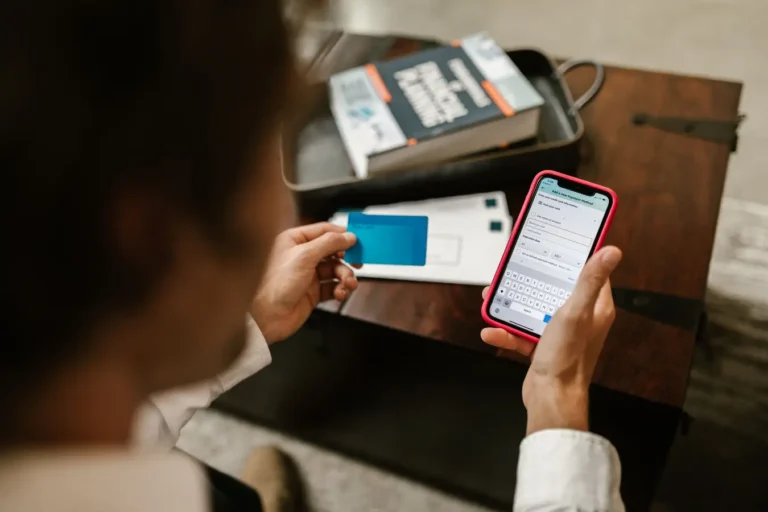
Use HDFC credit card login via net banking or the mobile banking app to review the transaction details and raise a service request. You can also contact customer care directly. Before you do that, note the exact amount, date, and how the entry appears on the statement. That speeds things up.
You should consider immediate action if:
If misuse is suspected, block or temporarily disable the card right away. Waiting to “see what happens” is a bad idea when there is a chance your card details are already being used.
Pending transactions can complicate things because some disappear before they post. Still, if the pattern looks suspicious, report it. HDFC can guide you on whether to wait for posting, block the card, or start the dispute process immediately.
You do not need to solve this from memory. HDFC gives you a few practical ways to investigate before escalating.
Net banking: Good for checking recent card transactions, statement descriptors, and posted versus pending entries. Sometimes the extra details there are enough to trigger recognition.
Mobile banking app: Useful when you want quick access to card activity, service requests, and card controls. If you need to block the card or act outside business hours, the app is usually the fastest route.
Transaction alerts: SMS and email alerts help reconstruct what happened around the charge date. If you receive alerts in real time, unknown entries become much easier to catch early.
Receipts and invoices: These often matter more than the statement line itself. Merchant order histories can reveal subscription renewals, delayed settlements, or processor names that never appeared during checkout.
Dispute support and customer care: If you have already checked the basics, use official HDFC support channels to get clarification or start a reversal request where appropriate.
Also review your recurring payment list. Many unknown charges are not fraud at all. They are old subscriptions or saved-card renewals that stayed active longer than you realized.
You probably cannot prevent every unfamiliar descriptor, but you can reduce surprises.
If you often make payments through aggregators, wallets, or partner apps, expect statement names to differ from the storefront brand. That is normal. The problem is not the mismatch by itself. The problem is a charge that stays unexplained after you check receipts, family usage, and order history.
For anyone worried about unrecognized credit card charges, speed matters more than perfect certainty. A valid charge can usually be confirmed with a little digging. A fraudulent one should be reported before more transactions appear.
So if NPSL shows up on your HDFC credit card, start with transaction matching, then merchant contact, then the HDFC credit card dispute process if the entry still does not make sense. That sequence keeps you practical without ignoring real risk. If you are still comparing options among the best HDFC credit cards or plan to apply for an HDFC credit card, understanding statement descriptors can help you manage future card activity more confidently.
It usually points to a merchant or payment descriptor, not a specific HDFC card fee or product name.
No. It may be a valid payment posted under a billing name you do not recognize right away.
Check receipts, app orders, SMS alerts, and family usage first. If nothing matches, contact HDFC Bank and raise a dispute quickly.
Yes. Some renewals and partner-billed services show up under a different statement descriptor than the brand name.
Block or disable it if the charge appears unauthorized, if there are multiple suspicious entries, or if you think your card details were exposed.