





Newsletter Subscribe
Enter your email address below and subscribe to our newsletter

Enter your email address below and subscribe to our newsletter
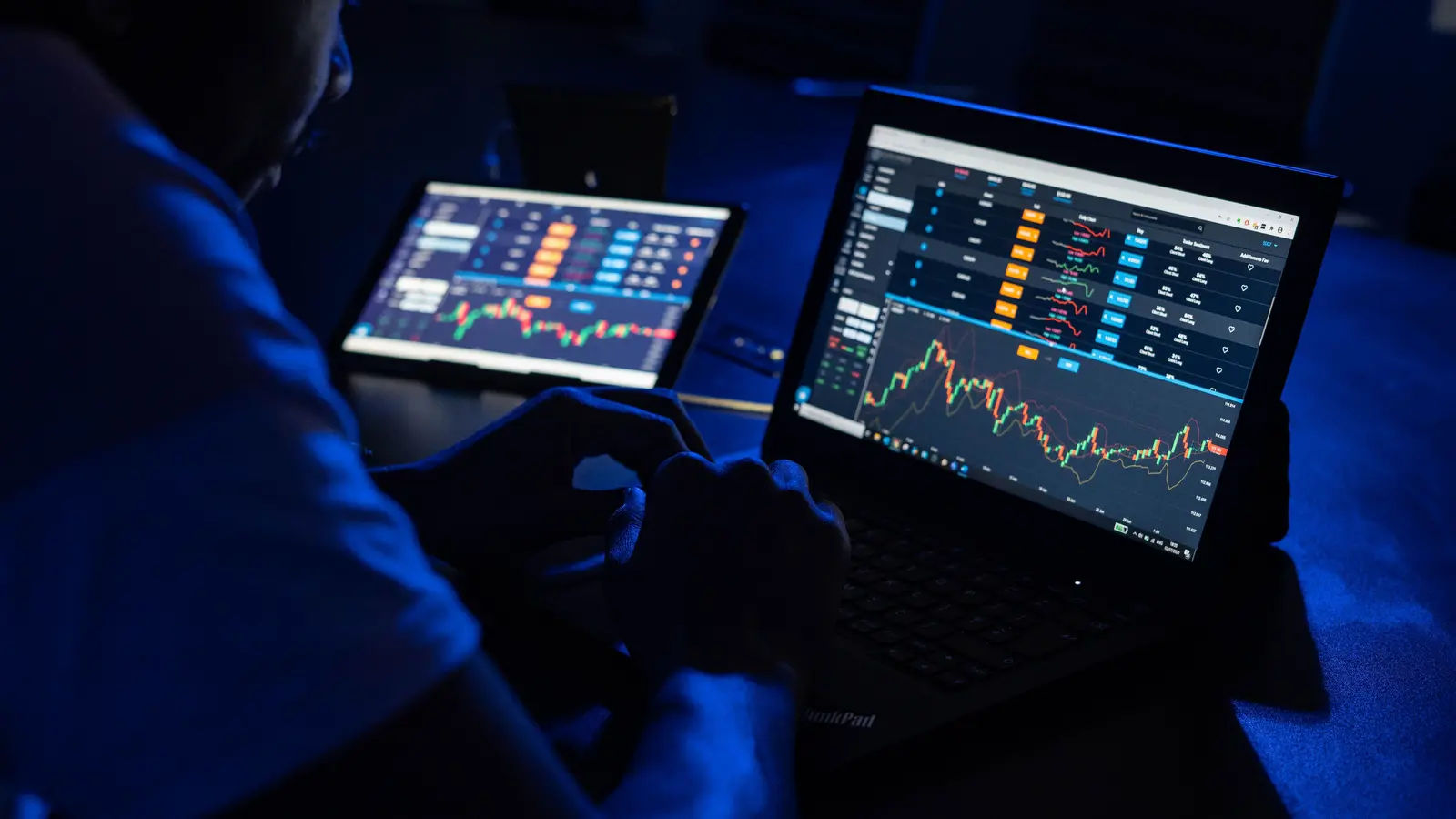
You find a quote for the Iraqi dinar, compare it with another site, and suddenly nothing lines up. One platform shows a rate, another shows a different one, and the broker you were planning to use may not even let you place a real trade. That is the first problem with forex trading IQD: getting from a displayed exchange rate to an actual executable market is not always straightforward.
IQD sits in a corner of the currency market where liquidity is thinner, broker coverage is limited, and pricing can be messy. That does not automatically make it untradeable, but it does mean the usual assumptions people bring from major pairs often break down. Spreads can be wide, order execution may be restricted, and some prices are only indicative.
Before you think about direction, timing, or leverage, you need to know what kind of product you are looking at, how the broker handles exotic pairs, and whether the quote on screen is something you can really buy or sell. That is where most of the costly mistakes happen.
Most traders are used to currencies that have deep liquidity, tight spreads, and broad broker support. IQD usually does not behave like that. It is commonly treated as an exotic currency, which means fewer market participants, less competitive pricing, and more friction on both entry and exit.
That shows up in practical ways. A price chart may look calm, but the actual trading cost can still be high. You might see a quote for the Iraqi dinar exchange rate and assume the market is tradable, then discover the broker only provides a reference rate or cash conversion service rather than a live forex instrument.
Local banking restrictions and capital controls also matter. Even when there is visible pricing, access can depend on the broker’s liquidity providers, regional rules, and whether the platform supports spot forex, CFDs, or something closer to an exchange service. Those are very different products, with different risks and fee structures.
Political and economic uncertainty adds another layer. News tied to central bank policy, fiscal pressure, or instability can affect demand quickly, but a move in theory is not always a move you can capture in practice if the market is too thin or the spread is too wide.
One of the biggest mistakes in forex trading IQD is assuming every displayed rate is executable. It often is not. Some platforms show informational prices pulled from data feeds, while the broker itself does not offer live trading in IQD pairs. Others may list a symbol, but limit order size, restrict trading hours, or widen the spread so much that the price becomes hard to use.
Before funding an account, verify a few basic things:
This step sounds simple, but it saves a lot of trouble. Some traders do all their analysis first and only later discover they cannot open the position they planned. Others can open it, but the order limits or poor execution make the trade unusable.
If you are comparing IQD forex brokers, focus less on marketing and more on the contract details. A reliable broker should clearly show spreads, overnight financing, execution method, and any restrictions around exotic pairs. If that information is vague, assume the trading conditions may get worse when the market is stressed.
The spread is often the real story. With IQD trading risks, people tend to focus on volatility first, but trading cost can be the bigger issue. In a thin market, the distance between bid and ask may be large enough that even a correct directional view is not worth trading.
Say you expect a modest move based on economic news. On a major pair, that might be enough. On IQD, a wide spread can absorb much of the opportunity before the trade even starts. If the market is quiet, brokers may widen pricing further because there is less reliable flow behind the quote.
This is why you should check the spread at different times of day, not just once. Exotic pairs can look reasonable during one session and become expensive during quieter hours. Also review rollover or financing charges if you plan to hold overnight. A trade that is already expensive to enter can become even less attractive once carry costs are included.
A practical way to assess this is to compare total expected cost against the size of the move you realistically think the market can make. If your likely reward is not comfortably larger than the spread plus any overnight fee, there may be no edge there at all.
That is also where smaller sizing helps. When markets are thin, traders sometimes increase size trying to make a small move matter. Usually that just magnifies the effect of poor pricing and makes exits harder.
There is no single clean driver. With IQD, central bank actions, government finance, regional stability, and domestic banking conditions can all shape sentiment and access. Even if you are not trading based on macro views, you still need to know what events can change pricing or execution conditions quickly.
Start with central bank communication and official rate policy. Changes in monetary guidance, exchange arrangements, or banking procedures can affect how market participants price the dinar. Then watch major Iraq-related economic news, especially developments tied to public finance, trade flows, and the banking system.
It also helps to separate official references from market behavior. Different sources may show different IQD rates because they are not measuring the same thing. One may publish an official benchmark, another may show a retail exchange rate, and another may reflect a broker quote that is only valid under certain conditions.
That mismatch explains why traders sometimes think the market is mispriced when the issue is really source quality. A central bank publication can be useful for context, but it does not guarantee the same rate is available on a trading platform. Live news feeds, economic calendars, and central bank releases are most useful when combined, not used in isolation.
If a move appears after a headline, confirm that volume and execution still look normal before chasing it. In thin markets, the first printed move is not always the one you can realistically trade.
Because IQD forex brokers are less common, broker selection matters more than usual. The goal is not just finding a platform that mentions the Iraqi dinar. The goal is finding one that offers transparent, regulated access under conditions you can actually evaluate.
Start with regulation. Check the broker’s license directly through the relevant regulator database, not just the broker website. Then look at how the firm handles funding and withdrawals. If the platform is already vague on money movement, that is a problem before you even get to execution quality.
Next, inspect the instrument specification. You want to know the symbol, contract size, margin requirement, financing rate, trading hours, and any special limits. If the broker only displays a general exchange rate page and does not provide a full trading specification, that is a warning sign.
Then compare pricing behavior, not only headline spreads. Test the demo if available, but remember demos can look cleaner than live conditions. If possible, observe spreads during active and quiet periods and check whether the platform frequently requotes, freezes, or widens aggressively around news.
A position size calculator is especially useful here. On exotic pairs, a small change in cost can distort risk much more than traders expect. Proper sizing lets you account for wider spreads without letting one trade dominate your account.
If the broker offers only reference quotes or exchange services, that may still be useful for monitoring rates, but it is not the same as a tradable forex product.
Before opening a position, run through a short diagnostic process. This is less about finding the perfect setup and more about filtering out trades that are flawed from the start.
This checklist is not glamorous, but it is where most avoidable losses get filtered out. IQD can tempt traders into focusing on the narrative around the currency while ignoring execution quality. Usually the execution quality matters more.
If anything in that review is unclear, especially the difference between a tradable market and a displayed rate, do not force the trade. In exotic currencies, uncertainty around mechanics is often a bigger risk than uncertainty around direction.
This depends less on opinion about Iraq and more on the instrument and cost structure. Short-term trading can be difficult because low liquidity and wide spreads make timing less forgiving. You may get the direction right and still struggle to overcome entry cost.
Long-term holding has its own issues. If you are using a leveraged product such as a CFD, financing charges can add up over time. If you are using a non-leveraged exchange product, you may still face poor conversion pricing and limited exit flexibility. That means the simple idea of buying and waiting is not automatically safer.
In practice, the better approach is to match the holding period to the actual market conditions your broker offers. If the spread is consistently wide, short-term trades need stronger expected moves to make sense. If overnight cost is high, longer holds may become unattractive even when your macro view is reasonable.
This is why many traders treat IQD as a specialist market rather than a routine portfolio position. If access is limited, prices vary between sources, and execution quality is inconsistent, patience matters. Sometimes the best decision is not choosing between short term and long term, but deciding the market is not efficient enough to trade at all.
Some platforms offer it, but many do not because IQD is an exotic and less liquid currency. Always check whether the quote is actually tradable.
Low liquidity and limited broker access usually make pricing less competitive. In quiet periods, spreads can widen further.
It depends on the product and the fee structure. Limited liquidity often makes short-term trading harder, while long-term holding can become expensive if financing costs are high.
Start with regulation, tradable pairs, spreads, fees, product type, and whether the quotes on the platform are truly executable.