


Newsletter Subscribe
Enter your email address below and subscribe to our newsletter

Enter your email address below and subscribe to our newsletter

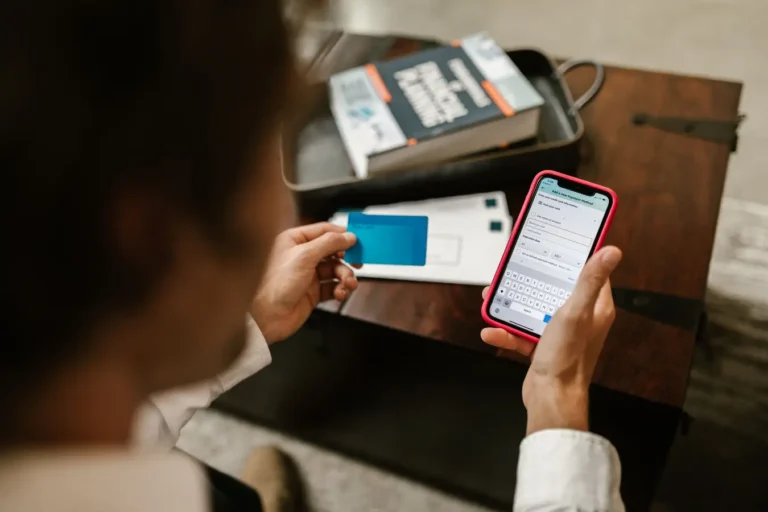
A lot of people in India now use a credit card for things that barely felt like “card purchases” a few years ago: food delivery, UPI-linked payments, flight tickets, sale shopping, auto-renewing subscriptions, even utility bills. What changed is not just access. Cards have become easier to get, easier to manage through apps, and easier to justify because of cashback, reward points, and no-cost EMI offers.
That convenience has a downside. Many users are not in trouble because of one big purchase. They get into trouble through small, frequent spending that feels manageable until the bill arrives. Others use cards carefully but still overlook fraud alerts, annual fees, or a rising utilization ratio that starts affecting their credit score.
The usage of credit cards in India is growing for practical reasons, but safe use still depends on old basics: knowing where the money is going, paying on time, and not treating the credit limit like extra income.
The growth in card use is no longer limited to frequent flyers or high-income urban households. Banks, NBFCs, and fintech platforms have made onboarding faster, paperless, and more targeted. A salaried user can compare cards, apply online, and start using a virtual card quickly.
Digital commerce also changed the habit. Once people begin paying for online shopping, travel, subscriptions, and app-based services by card, the payment method starts spreading into everyday life. Even where UPI dominates, credit-backed spending still finds a place through online gateways, stored cards, and tokenized checkouts.
Rewards matter more than many people admit. A small cashback on groceries, accelerated points on travel, or an instant discount during a sale is often enough to shift behavior from debit or cash to credit. This is one reason credit card penetration in India, while still lower than debit card ownership, keeps moving upward.
Another reason is aspiration mixed with convenience. For many users, a card is not only a borrowing tool. It is also a way to book tickets, handle emergencies, build a credit history, and spread large purchases through EMI. That combination makes cards feel useful even to people who do not want to revolve debt.
If you look at credit card spending patterns in India, some categories show up again and again: e-commerce, travel, dining, electronics, and subscriptions. These are areas where offers are common, checkout is smooth, and the card feels more rewarding than other payment methods.
Online shopping remains a major driver. Sale events, app-only discounts, and easy saved-card payments push repeated usage. Travel is another strong category because tickets and hotel bookings are often high-value purchases where people want reward points, lounge access, insurance benefits, or EMI options.
Dining and lifestyle spending also tend to grow quickly on cards because they are frequent and emotionally easy to justify. A coffee, dinner, movie ticket, or quick fashion purchase may not look serious in isolation. Across a month, they add up fast.
Then there are recurring payments. OTT subscriptions, software tools, gym memberships, cloud storage, and utility autopay rarely feel like debt while they are running quietly in the background. But they reduce available repayment room before the user even starts discretionary spending.
Festival periods and big sale seasons usually create spending spikes. That does not automatically mean misuse. The problem starts when spending growth is clearly ahead of income growth, or when users rely on minimum payments after heavy sale-period buying.
Most expensive card problems do not begin with reckless behavior. They begin with ordinary habits that seem harmless.
Minimum payment is the classic trap. It keeps the account in good standing for the moment, but interest on the unpaid balance can be steep. If the card is then used again next month, the user is effectively stacking fresh spending on top of old debt.
EMI is not always bad, but people often focus only on the monthly installment and ignore processing fees, lost discounts, or the long tail of multiple ongoing EMIs. Three manageable installments across gadgets, travel, and furniture can quietly crowd the next six months of cash flow.
Rewards create another distortion. A user may spend Rs 20,000 extra during a sale to save Rs 1,500 through cashback and instant discount. On paper it feels smart. In reality it only works if the purchase was planned and the bill is paid in full.
The usage of credit cards in India is rising partly because cards fit into digital life so well. That same ease is exactly why users need friction somewhere else, usually in the form of a personal spending limit.
Many users assume their credit score is safe as long as they never miss a due date. Payment history is crucial, but it is not the only factor. High balances relative to your limit can still create pressure on your credit profile.
This is where credit utilization matters. If a card has a limit of Rs 1 lakh and the statement regularly shows Rs 70,000 or Rs 80,000 outstanding, lenders may read that as dependence on revolving credit, even when bills are paid on time later. Heavy usage across multiple cards can make the picture worse.
There is also a difference between using a card and carrying a balance. A person may spend a lot but clear the bill in full every month. That is very different from rolling over debt. Still, if statement balances remain consistently high, the score impact can show up before the payment is made.
New card users sometimes make another mistake: they apply for several cards quickly to chase offers. Too many applications in a short period can make them look credit-hungry.
A simple monthly check helps:
These checks are boring, but they catch problems early.
When people think about credit card safety and debt risks in India, they usually focus on overspending. Fraud deserves equal attention. As card usage expands across apps, websites, stored credentials, and public networks, the number of places where something can go wrong also rises.
Common issues include phishing links, fake customer care calls, unsafe payment pages, card skimming, and misuse of OTP or CVV details. A lot of fraud does not look dramatic at first. It may begin with one small unauthorized transaction that goes unnoticed because the user does not check alerts or statements carefully.
Tokenized card storage has improved safety for online use, but it does not remove the need for basic precautions. Strong app passwords, two-factor authentication, and instant transaction notifications still matter. So does the habit of blocking or temporarily disabling a card the moment something looks wrong.
Users should also be careful with recurring merchants. If a service is no longer needed, cancel the subscription at the merchant level, not just in your head. Forgotten recurring charges are not fraud, but they can look like it later and become harder to dispute cleanly.
The practical rule is simple: if you would notice a missing Rs 500 note in your wallet, you should notice a suspicious Rs 500 card transaction too.
You do not need to avoid cards to use them well. The better approach is to build a few controls that make everyday misuse less likely.
First, set a monthly spending cap based on repayment ability, not card limit. The issuer’s limit is not a spending target. It is just the maximum exposure the bank is willing to tolerate.
Second, pay the full bill on time whenever possible. That is the line between using a convenience tool and entering expensive debt. Auto-debit can help, but only if the linked bank account is funded well before the due date.
Third, keep card use for planned purchases. This does not mean every coffee needs a spreadsheet. It means large spends, sale purchases, and recurring subscriptions should already fit into the month’s budget before they hit the card.
Fourth, review statements instead of only checking the amount due. Statement reviews catch category creep, hidden fees, duplicate charges, and unauthorized spending. They also show whether rewards are genuinely worth the annual fee.
Useful tools make this easier. Credit card apps track due dates and reward points. Expense trackers help separate essentials from discretionary spending. Credit score platforms show whether high utilization is affecting your profile. EMI calculators are worth using before converting purchases, because “no-cost” is not always as clean as it sounds.
India will likely see continued growth in card ownership and spending, but healthy growth is not just about more cards being issued. Active usage, repayment quality, and user understanding matter more than raw numbers.
One gap in the market is that onboarding often feels easier than education. Many new users understand offers and joining bonuses better than billing cycles, interest calculations, or utilization ratio. That is a problem, especially as cards move further beyond metro cities and reach younger first-time borrowers.
For issuers, responsible growth means clearer fee disclosure, better in-app controls, and stronger fraud-response systems. For users, it means treating the card as a payment instrument first and a borrowing tool second.
That is really the core of the usage of credit cards in India today. Cards are becoming normal, not exceptional. And once something becomes normal, small mistakes become normal too unless people build better habits around them.
The upside is still real: convenience, rewards, emergency liquidity, and credit history building. But those benefits hold only when spending stays deliberate and the bill is never a surprise.
Digital payments, online shopping, easier issuance, and reward offers have made cards more useful for everyday spending.
It can be. High utilization can hurt your score even if you usually pay on time.
Online payments still drive a large share, especially in e-commerce and travel, though in-store use is also growing.
Set a spending limit, pay the full bill on time, keep utilization moderate, and check alerts and statements regularly.
Compared with debit cards, yes. But adoption is steadily rising across both metro and non-metro users.
Online shopping, travel bookings, dining, electronics, subscriptions, and some utility or recurring payments are common categories.
The biggest risks are high-interest debt from unpaid balances and fraud when transactions are not monitored closely.