








Newsletter Subscribe
Enter your email address below and subscribe to our newsletter

Enter your email address below and subscribe to our newsletter
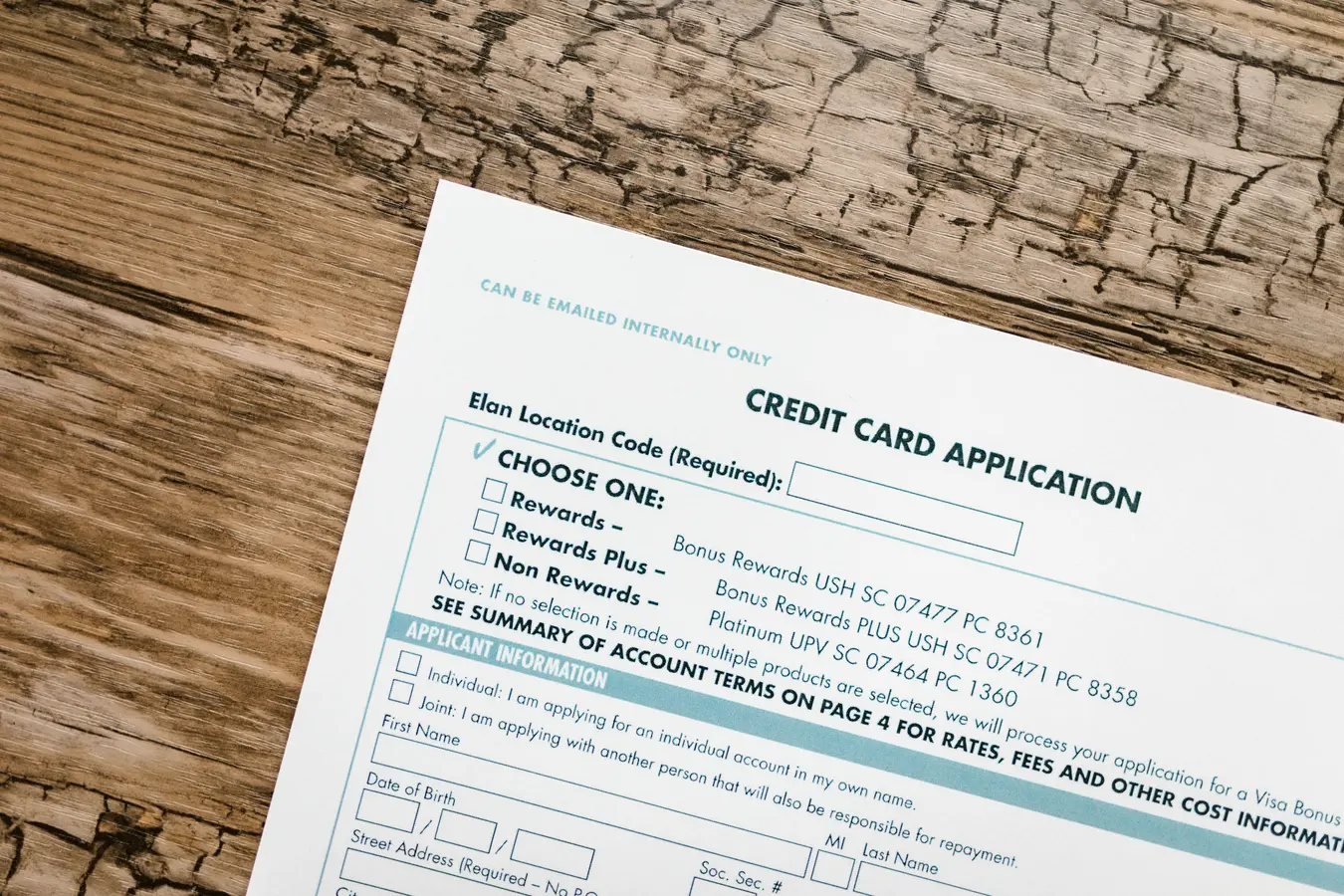
If your credit is in rough shape, applying for a card can feel like paying to be rejected. You fill out an application, hope for the best, and then get denied or approved for something packed with fees, tiny limits, and terms that barely help. That is usually the real problem: not just getting a card, but getting one that gives you a realistic path forward.
There are credit cards for horrible credit, but the useful options are narrower than many ads make them seem. Recent late payments, collections, charge-offs, high balances, or a very thin file can all put you in the same bucket with issuers. The good news is that you do not need a perfect product. You need a card that reports to the major bureaus, is affordable enough to keep open, and is simple to manage without slipping again.
This guide focuses on what tends to work, what to avoid, and how to use a card to rebuild instead of making the same situation worse.
People often describe their credit as horrible when they are dealing with one of four issues: missed payments, high utilization, serious negative marks, or very little history. Those are not all the same problem, but issuers often react to them in similar ways.
A string of late payments tells a lender you have struggled to pay on time. High card balances can be just as damaging, especially if existing accounts are near their limits. If your reports show collections, charge-offs, or a recent bankruptcy, approval gets harder because the lender sees fresh risk. And if your file is thin, meaning there is not much borrowing history to review, some issuers treat that uncertainty almost like bad credit.
Before you start looking at offers, check your credit reports. Not just your score. You want to know what is actually dragging you down. An old collection that should have fallen off, a card reporting the wrong balance, or a missed payment that is listed inaccurately can change which cards you qualify for.
This also helps you avoid the common mistake of applying blindly for unsecured cards that are meant for stronger applicants. If the damage is recent or severe, your best path is usually not a rewards card. It is a basic rebuild card that you can actually keep in good standing.
For most people searching for credit cards for horrible credit, the realistic options fall into two buckets: secured cards and unsecured cards built specifically for damaged credit.
Secured cards usually offer the better rebuild setup. You put down a refundable security deposit, and that amount often becomes your credit limit. Issuers like them because the deposit lowers their risk. You may not love tying up cash, but secured credit cards for bad credit often come with cleaner approval standards and fewer unpleasant surprises than fee-heavy unsecured products.
Subprime unsecured cards can work if you cannot afford a deposit, but this is where you need to read closely. Some have annual fees, monthly maintenance fees, low starting limits, or extra charges that eat up the available credit fast. A $300 limit does not help much if fees immediately consume a chunk of it.
Whichever route you consider, verify three basics before anything else:
If a card has a modest annual fee but solid reporting and straightforward terms, it may still be useful. If the pricing is confusing or the limit is so low that normal use pushes utilization sky-high, move on.
When your credit is weak, every hard inquiry matters more. One application will not destroy your score, but several back-to-back denials can make a bad situation tighter. That is why prequalification matters.
If you can prequalify for a credit card with bad credit through a soft inquiry, do that first. It will not guarantee approval, but it can filter out cards that are clearly unrealistic. That alone can save you from unnecessary hard pulls.
While comparing offers, do not focus only on whether you might get approved. Compare the details that will affect whether the card actually helps:
Also look at your broader finances before applying. If money is so tight that even one small due date could be missed, a new card may not be the first fix. A basic budget and a realistic payment plan matter more than squeezing out an approval.
Bad-credit card marketing can be aggressive because the audience is vulnerable. If you have been denied elsewhere, almost any approval can look like progress. That is where expensive mistakes happen.
Be careful with cards that pile on charges before you even use them. A high annual fee, account setup fee, monthly fee, and add-on product all attached to a low limit can leave you with very little usable credit while reporting a high balance from day one. That hurts more than it helps.
Watch for vague language around reporting. If the issuer does not clearly say it reports to all three major bureaus, do not assume it does. A rebuild card only works if your good behavior is actually being reported.
Another trap is applying for too many cards at once. People do this after a first denial, thinking one of them has to work. Sometimes one does, but the extra inquiries and fresh accounts can make the profile look riskier. It is usually better to narrow the field through prequalification and apply once, maybe twice, with intent.
And do not chase rewards. Cashback is nice, but with very poor credit, the first job of the card is rebuilding. A plain card with simple terms is often much more valuable than a flashy offer that costs too much to keep.
Getting approved is the easy part compared with using the card well. A rebuild card works best when it stays boring.
The simplest approach is to put one small recurring charge on the account, something like a streaming service, mobile bill, or inexpensive subscription, and then pay the full statement balance every month. That gives the issuer activity to report without creating a balance you carry.
Keep utilization low. If the limit is $200 or $300, it does not take much spending to look maxed out. Even if you pay in full, a high statement balance can still be reported. You can avoid that by making an early payment before the statement closes or by keeping spending very light.
Autopay helps, but do not treat it as a complete system. Set it for at least the minimum payment, then check the account manually. Missed payments are too costly when you are trying to recover from past damage.
If you want to rebuild credit with a credit card, consistency matters more than intensity. You do not need to spend a lot. You do not need to carry a balance. You just need clean reporting month after month.
Progress may show up gradually. Some people notice score improvement within a few months, especially if utilization drops at the same time. Bigger improvements usually take longer when there are serious negatives still weighing on the file.
For many applicants, secured cards are the most practical option, not the most exciting one. That is fine. If your credit file includes recent problems, a secured card often gives you a cleaner path than trying to force approval on an unsecured product.
The deposit requirement is the obvious drawback. Still, it can be easier to manage than paying recurring fees on a weak unsecured card. If you are choosing between a deposit you may eventually get back and a fee structure that keeps draining the account, the secured card often wins.
Look for a deposit amount you can comfortably afford. There is no need to overfund the account just to create a bigger limit unless your normal spending truly requires it. A smaller limit can actually help keep things controlled while you rebuild.
Read the issuer’s policy on account reviews. Some secured cards periodically evaluate whether you qualify for a higher limit, a refunded deposit, or graduation to an unsecured version. That upgrade path is not guaranteed, but it matters. A card that can grow with your credit is more useful than one that leaves you parked in the same place indefinitely.
If you are comparing secured credit cards for bad credit, simplicity is a good sign. Straight deposit terms, clear reporting, and no strange fee layering usually beat clever marketing.
If you are close to applying, stop and run through a short reality check first.
This sounds basic, but it prevents most of the avoidable mistakes. A new account will not fix overspending, unstable cash flow, or unresolved reporting errors. It can help, though, if the card fits your profile and your usage plan is realistic.
If approval odds still look weak, waiting a little can be the smarter move. Paying down existing balances, resolving an error, or letting a recent late payment age another few months may improve your options enough to matter. Sometimes the best decision is not applying today.
But if the card is affordable, reports properly, and you can manage it with discipline, one well-chosen account can be enough to start turning a damaged file in the right direction. If your profile is more limited by a thin history than heavy negatives, no annual fee credit cards may also be worth comparing.
Yes, but your best odds are usually with secured cards or cards specifically designed for rebuilding damaged credit.
It can. Multiple hard inquiries in a short period may lower your score and can make lenders more cautious.
Often yes. They can be a solid rebuilding tool if the issuer reports to all three bureaus and offers reasonable terms.
Watch for high fees, confusing terms, very low usable limits, and any card that does not clearly report payments to the credit bureaus.
Usually no. Most prequalification tools use a soft inquiry, though the full application may still trigger a hard pull.
Some people see progress within a few months, but stronger improvement often takes longer depending on how much past damage is still on the reports.